Rival Companies Embrace 'Coopetition' Amid Rising Innovation Costs
The traditional business model where rival companies fiercely guarded innovations is rapidly evolving due to escalating technological and economic realities. A prime example is Honda and Yamaha's recent agreement for Yamaha to use Honda's electric motors and batteries in its new urban delivery scooters for the Japanese market. This unusual collaboration highlights a fundamental shift in global industry, driven by the soaring costs of advancements in electrification, artificial intelligence, connectivity, and embedded software. Many companies can no longer sustain these massive R&D investments alone.
Consequently, organizations are increasingly opting to share platforms, knowledge, and infrastructure. This allows them to concentrate their unique resources on differentiating factors such as brand, design, customer experience, quality, and market relationships. This strategy, known as 'coopetition,' involves continued competition for customers while cooperating in strategic areas to share risks, costs, and development timelines more efficiently. This trend is not new; in 2021, Honda, Yamaha, KTM, and Piaggio formed a consortium to standardize removable batteries for electric motorcycles, recognizing the market's reliance on shared solutions. Similarly, Brazil's Administrative Council for Economic Defense (Cade) recently approved a joint venture between Foxconn and Mitsubishi Fuso for sustainable bus development, indicating that well-structured alliances can foster innovation without hindering competition.
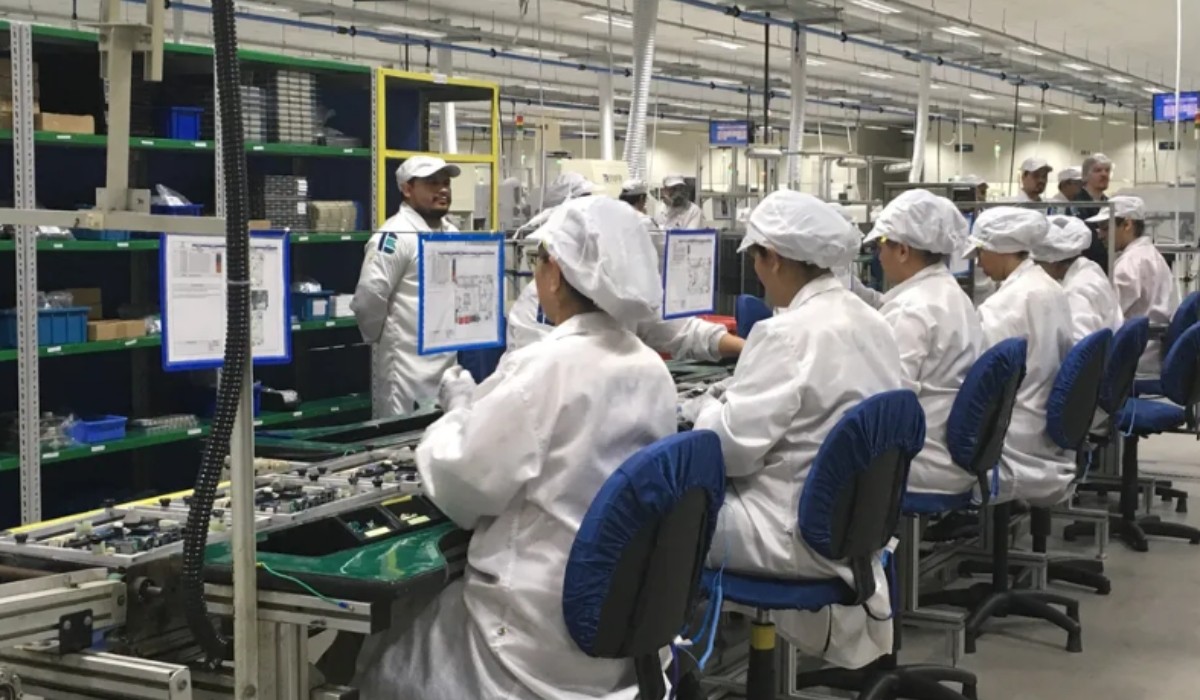
The Polo Industrial de Manaus (PIM), a significant hub for motorcycle and electronics production in Brazil, is particularly relevant to this transformation. Companies within the PIM, while competing, face shared challenges like electrification, digitalization, AI integration, and specialized workforce development. Embracing coopetition presents a strategic opportunity for the PIM's ecosystem, involving research institutions, universities, startups, and suppliers to develop common solutions. This networked approach to innovation, rather than solely internal development, is becoming crucial for global industrial competitiveness, requiring strategic management to identify which competencies to keep exclusive and which to share for accelerated growth and value creation.
The shift from intense rivalry to strategic cooperation, termed 'coopetition,' reflects a systemic response to the escalating capital requirements for cutting-edge technological development. As the pace of innovation accelerates, particularly in areas like AI and electrification, the economic viability of independent, comprehensive R&D becomes increasingly challenging for many firms. This phenomenon suggests a rebalancing of competitive advantage, moving beyond proprietary technology to encompass ecosystem integration and strategic alliances. For industrial hubs like the Polo Industrial de Manaus, this necessitates a forward-looking approach to governance and investment, fostering collaborative frameworks that leverage shared resources while preserving distinct market differentiation. The long-term sustainability of such ecosystems may depend on their ability to cultivate a culture of shared innovation, balancing competition with cooperation to navigate the complexities of the evolving global industrial landscape and prepare for future technological paradigms.
AI-generated to prompt reflection — not editorial opinion, not advice, not a statement of fact. How this works.