River Cruises Face Uncertain Futures Due to Early, Severe Low Water Levels
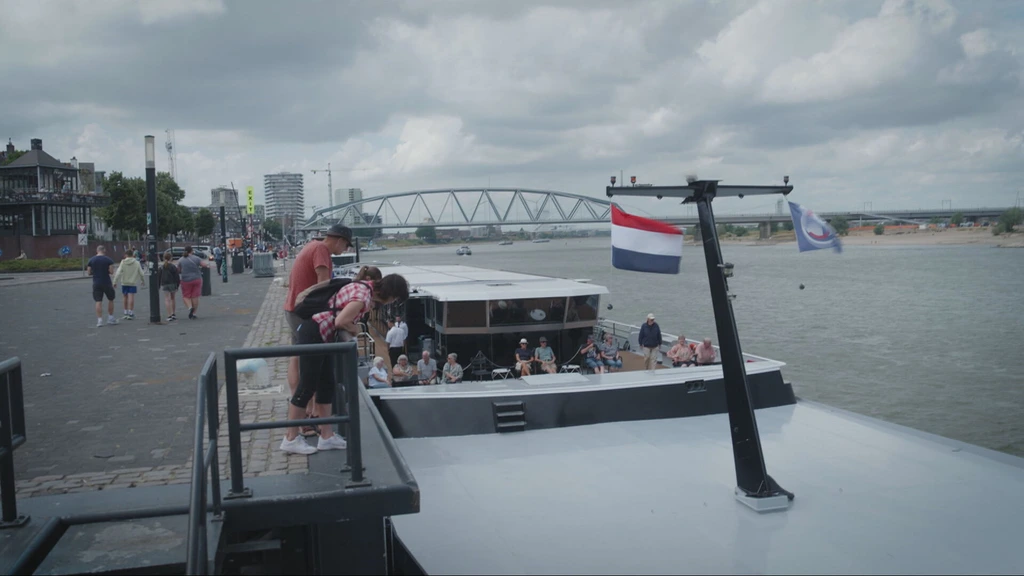
River cruise operators are facing significant disruptions as unusually low water levels, occurring exceptionally early in the season, are forcing route changes and cancellations. The cruise ship Otella, departing from Nijmegen with 140 passengers bound for Strasbourg, is unlikely to reach its destination due to a draft of 1.45 meters limiting its navigable path to Koblenz. Captain Teun Sijbrands of SijFa Cruises stated they must assess daily how far they can proceed, emphasizing the need for rain to raise water levels. Maurice Eltink from Feenstra Riviercruises noted that both the Rhine and Danube rivers present challenges, leading to route adjustments, such as a trip to Basel being rerouted to Trier. Nationale Vereniging de Zonnebloem, which organizes trips for people with physical disabilities, can still conduct cruises within the Netherlands but cannot currently travel to Germany. Their planned trip to Germany in September remains uncertain, as they were unable to dock in Arnhem in 2022 due to low water, resorting to IJsselmeer tours instead. SijFa Cruises has another ship idled on the Danube until mid-August, with another vessel on the same river able to navigate partially. Captain Sijbrands prefers not to alter itineraries to avoid refund obligations, which can be costly, as passengers are entitled to compensation if they do not receive the advertised trip. The current low water situation, with the Rhine at Lobith discharging approximately 745 cubic meters per second compared to a normal rate of over 1900 cubic meters per second for this time of year, is unprecedentedly early, typically occurring in September or October. Sijbrands is reconsidering annual planning in light of climate change potentially increasing drought frequency, balancing operational needs with customer demand for summer travel.
The current low water levels impacting European river cruises highlight the growing vulnerability of established travel models to climate change. While operators are adapting by rerouting and managing customer expectations, the long-term sustainability of current operational plans requires strategic reassessment. The early onset of these conditions suggests a need to build greater resilience into scheduling and infrastructure, potentially exploring alternative routes or seasons. This situation underscores the broader economic implications of climate-induced environmental shifts, prompting a re-evaluation of business models that rely on predictable natural conditions. Future planning must integrate climate projections to mitigate financial risks and ensure service continuity, aligning with evolving customer preferences for reliable and environmentally conscious travel experiences.
AI-generated to prompt reflection — not editorial opinion, not advice, not a statement of fact. How this works.