Rivers Reach Critical Low Levels Due to Drought
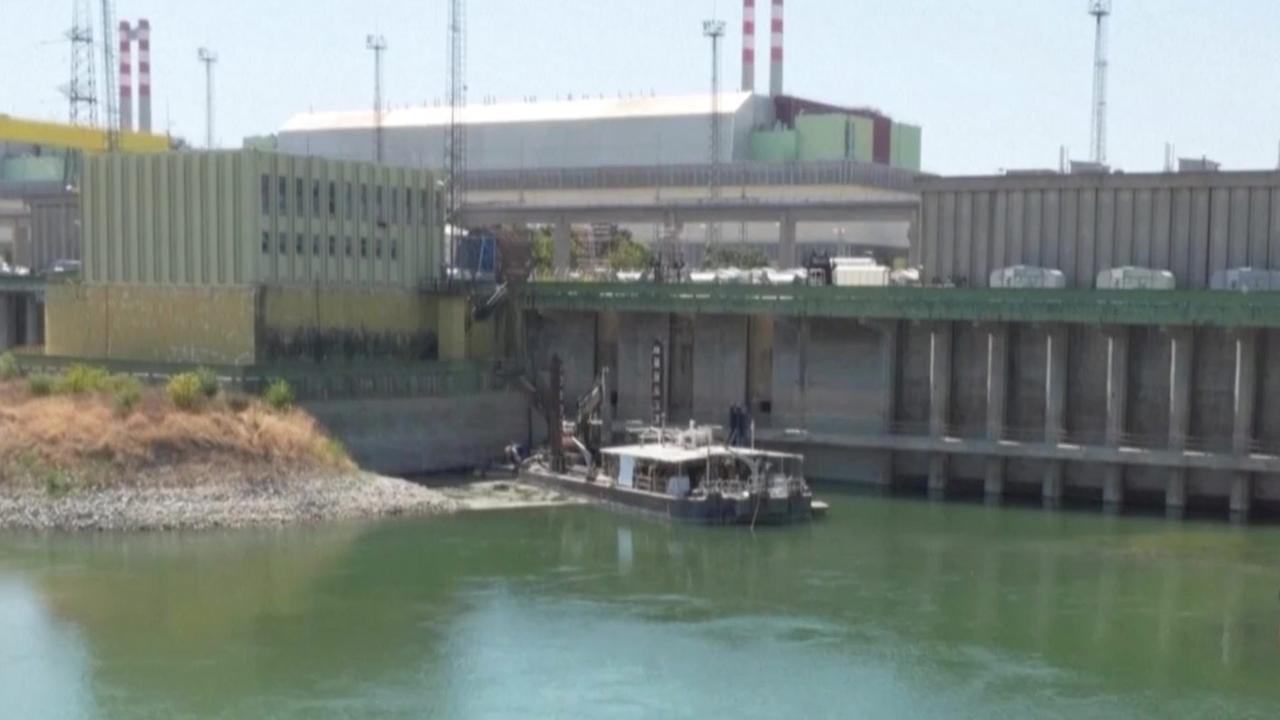
Drought conditions have caused river levels across Germany to drop to critical lows. This severe dryness is impacting various waterways, raising concerns about navigation, water supply, and ecosystems. The low water levels pose significant challenges for shipping, potentially disrupting the transport of goods and increasing costs for industries reliant on river freight. Furthermore, the reduced water availability affects agricultural irrigation, industrial processes, and the supply of drinking water to communities. Ecosystems within and along these rivers are also under strain, with potential impacts on aquatic life and biodiversity. Authorities are monitoring the situation closely and considering measures to manage the scarce water resources. The prolonged dry spell highlights the vulnerability of Germany's water infrastructure and natural resources to climate change.
The persistent drought and its impact on critical river levels underscore the increasing vulnerability of European infrastructure to climate change. Low water levels disrupt essential economic activities like shipping and agriculture, revealing systemic dependencies on stable hydrological conditions. This situation prompts a re-evaluation of water management strategies, emphasizing the need for adaptive measures that account for more frequent and severe extreme weather events. Future planning must integrate resilience against such climatic shocks, considering long-term implications for trade, food security, and environmental health.
AI-generated to prompt reflection — not editorial opinion, not advice, not a statement of fact. How this works.
