RN's Balancing Act: Embracing Change While Seeking Stability
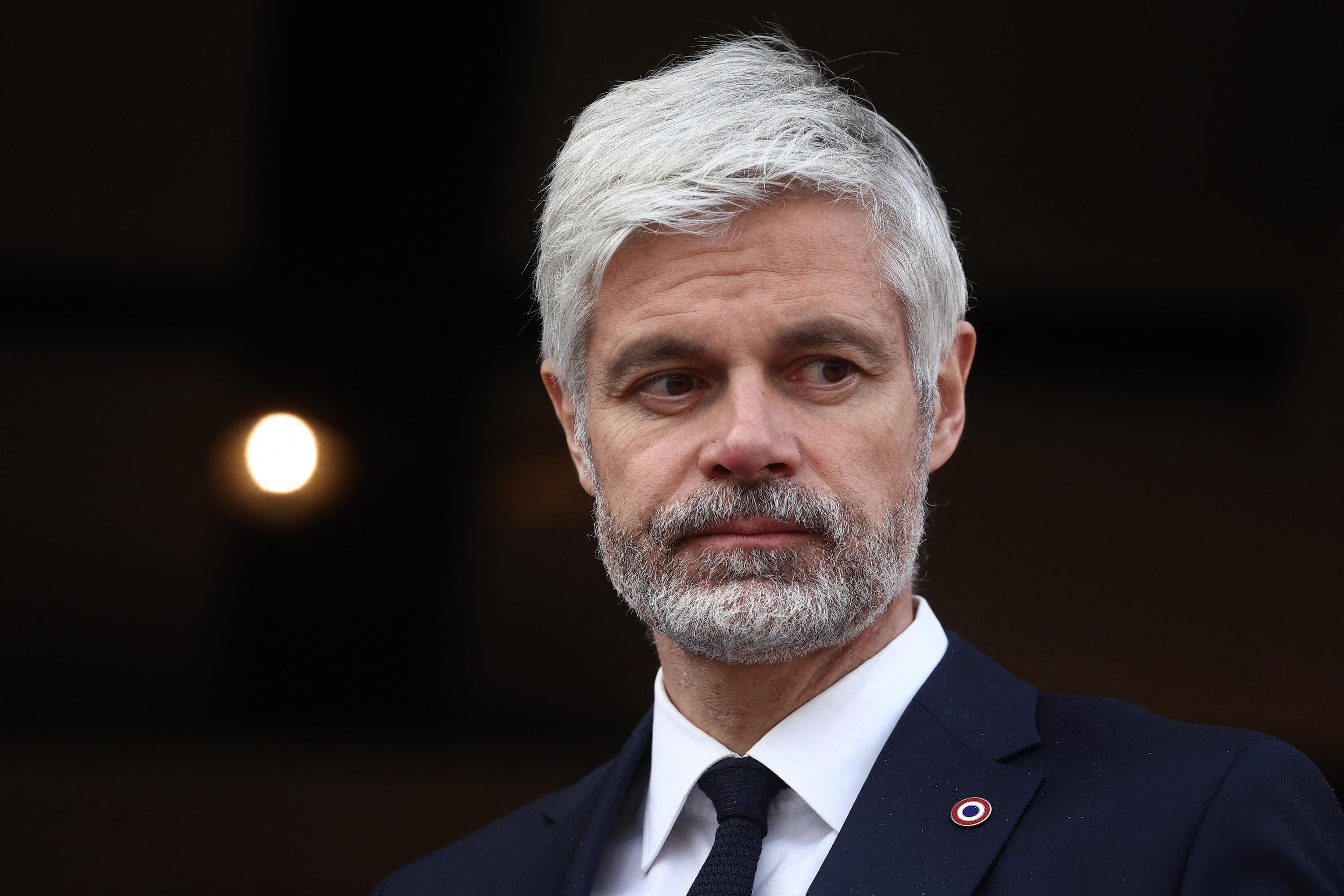
Political analyst Guillaume Tabard suggests that the Rassemblement National (RN) is attempting a complex political maneuver, aiming to embody both rupture and stability simultaneously. This strategy appears to be a calculated gamble to appeal to a broader electorate. Previously, figures like Laurent Wauquiez were seen as staunchly opposed to any form of political compromise, particularly with centrist or established political forces. Wauquiez was notably resistant to aligning with the Macronist movement and specifically with Édouard Philippe. The departure of Bruno Retailleau from the government may signal shifts in these established political alignments. The RN's current approach seems to be an effort to redefine its image and political positioning within the French landscape. This dual strategy of offering change while assuring stability could be key to their electoral success. The party is navigating a delicate path to gain wider acceptance.
The Rassemblement National's strategic positioning of "rupture and stability" reflects a common challenge for political movements seeking to disrupt the status quo while reassuring a risk-averse electorate. This approach attempts to leverage voter dissatisfaction with existing systems while mitigating fears of radical upheaval. Such a balancing act is often tested during periods of economic uncertainty or significant societal change, where voters may desire reform but also crave predictable governance. The effectiveness of this strategy will likely depend on the RN's ability to articulate concrete policy proposals that support both change and stability, and on how effectively established political actors respond to this evolving dynamic.
AI-generated to prompt reflection — not editorial opinion, not advice, not a statement of fact. How this works.