RNA's Complex Structures Challenge Theories on Origin of Life
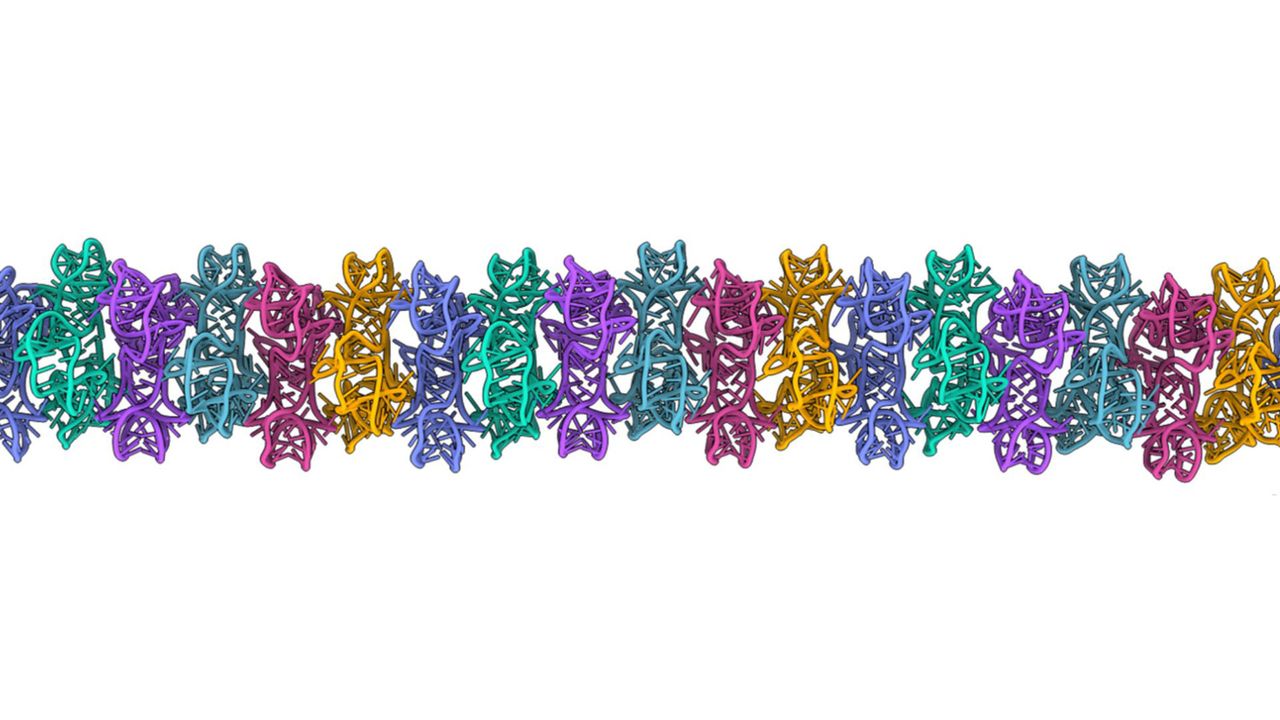
A recent study has revealed that RNA can fold into more intricate three-dimensional structures than previously understood by scientists. This discovery prompts a re-evaluation of the role these complex RNA configurations may have played during the nascent stages of life on Earth. The findings suggest that RNA's capabilities might extend beyond its known functions in modern biology. Researchers are now questioning the established assumptions about the biochemical processes that were active at the dawn of life. The ability of RNA to form these sophisticated shapes could indicate a more central and versatile role in early biological systems. This could significantly impact our understanding of abiogenesis, the process by which life arises from non-living matter. The study's implications are far-reaching, potentially rewriting chapters of evolutionary biology. Scientists are eager to explore the full extent of RNA's potential in prebiotic chemistry. Further research is expected to shed more light on these groundbreaking observations.
This study challenges long-held assumptions about the fundamental building blocks of early life, suggesting RNA's structural versatility was underestimated. The findings could necessitate a revision of models concerning abiogenesis, potentially highlighting RNA's role not just as a carrier of genetic information but also as a complex structural and catalytic agent in prebiotic environments. Understanding these early capabilities is crucial for grasping the evolutionary trajectory that led to current biological complexity and for exploring the potential for life beyond Earth. The research prompts consideration of how scientific paradigms evolve as new data emerges, emphasizing the dynamic nature of scientific understanding.
AI-generated to prompt reflection — not editorial opinion, not advice, not a statement of fact. How this works.