Road Traffic Noise Linked to Increased Parkinson's Disease Risk, Study Finds
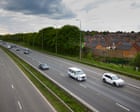
A pioneering study has revealed a significant association between prolonged exposure to road traffic noise and an increased risk of developing Parkinson's disease. The research indicates that for every 11.5 decibel (dB) rise in noise levels, the risk of Parkinson's disease may increase by 3%. This represents the largest study to date investigating the connection between noise pollution and this neurodegenerative disorder. Parkinson's disease is characterized as a progressive condition where specific areas of the brain sustain damage over time, leading to impairments in movement and balance. The findings suggest that environmental factors, specifically auditory pollution from traffic, could play a role in the onset or progression of this debilitating illness. Further research may be warranted to explore the biological mechanisms underlying this observed correlation and to assess potential public health interventions.
This study highlights a potential environmental contributor to Parkinson's disease, shifting focus beyond purely genetic or age-related factors. The observed 3% risk increase per 11.5dB suggests that urban planning and traffic management policies could have public health implications for neurodegenerative disease prevention. Future research should investigate the specific acoustic properties and exposure durations that are most impactful, as well as the underlying biological pathways, such as stress responses or inflammation, that might mediate this link. Understanding these mechanisms could inform strategies to mitigate risks in densely populated areas and contribute to a more holistic approach to brain health in the coming decade.
AI-generated to prompt reflection — not editorial opinion, not advice, not a statement of fact. How this works.