Roberta Sá's "Flor de maracujá" echoes Gal Costa's enduring vocal legacy
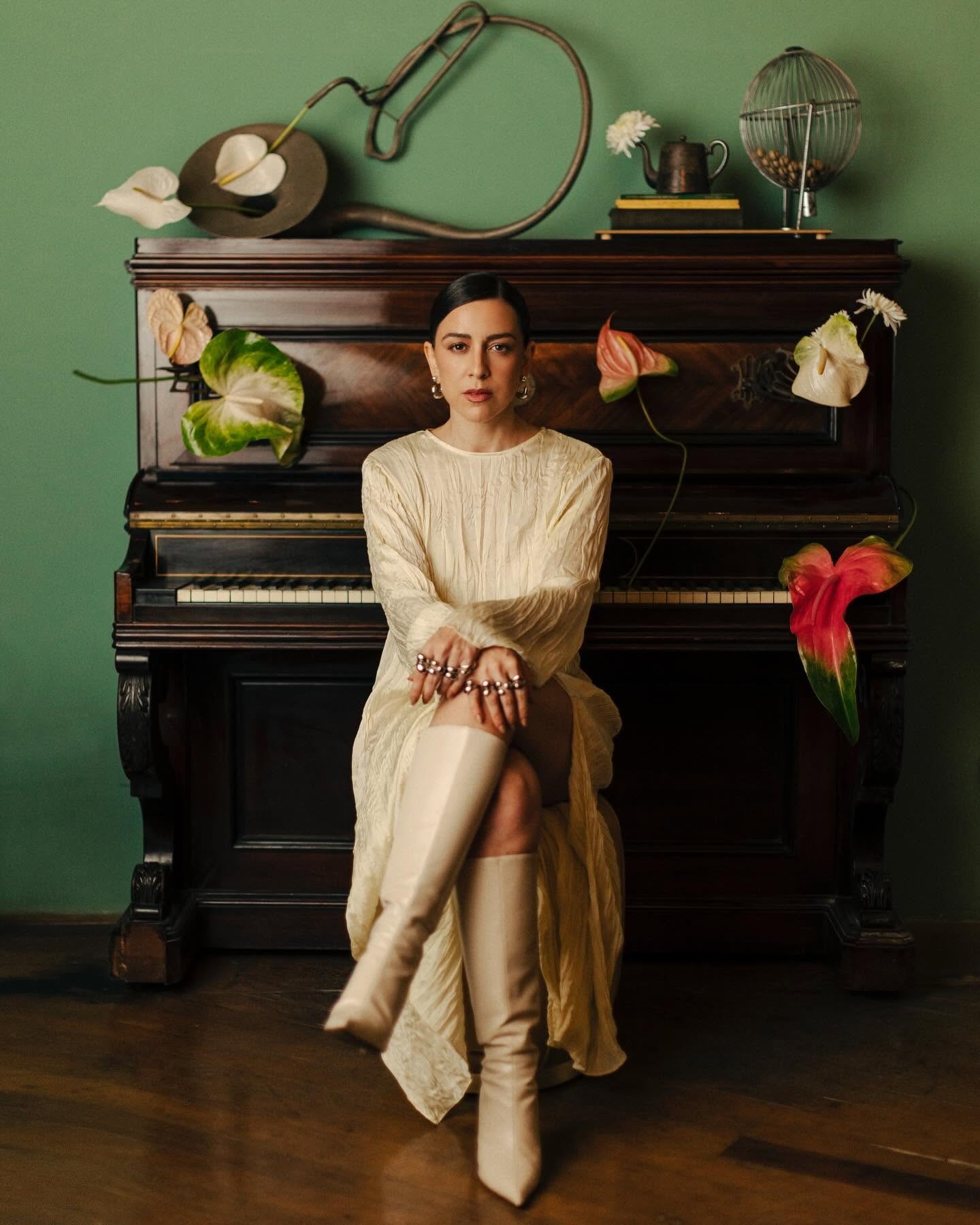
Roberta Sá's rendition of "Flor de maracujá," a song by João Donato (1934 – 2023) and Lysias Ênio, featured on the upcoming tribute album "Viva Donato," highlights the persistent influence of the late Gal Costa (1945 – 2022) on Brazilian music. While the song was first popularized by Gal Costa in a 1974 recording, Sá's interpretation evokes a similar lightness and atmosphere characteristic of Costa's artistry. Reports suggest that Gal Costa herself recognized a kindred spirit in Sá's precise and airy vocal style. Nearly four years after Costa's passing, she remains a paramount influence for many contemporary female vocalists in Brazil. This influence is not new; it has been observed in the work of artists like Marisa Monte on her 1991 album "Mais," Tulipa Ruiz in her 2010 debut, and Jussara Silveira. These artists, however, have maintained their distinct vocal identities and career paths. Gal Costa's singing style has effectively become a benchmark, a vocal school that continues to resonate across generations. Sá's recording of "Flor de maracujá" is one of many examples of singers carrying a piece of Costa's vocal essence. While younger listeners might not perceive this subtle connection, for those of the author's generation, hearing Sá's version of the song inevitably brings Gal Costa to mind.
The enduring influence of Gal Costa's vocal style on subsequent generations of Brazilian artists, as exemplified by Roberta Sá's interpretation of "Flor de maracujá," underscores the power of foundational artistic legacies. This phenomenon illustrates how seminal artistic contributions can establish benchmarks, shaping aesthetic sensibilities and vocal techniques across a musical landscape. The persistence of such influence, even as new artists forge their own paths, highlights a dynamic interplay between tradition and innovation in artistic development. Understanding these intergenerational artistic dialogues is crucial for appreciating the evolution of musical genres and the mechanisms by which cultural heritage is transmitted and transformed.
AI-generated to prompt reflection — not editorial opinion, not advice, not a statement of fact. How this works.