Roberto Martínez Latest Coach Sacked After World Cup Elimination
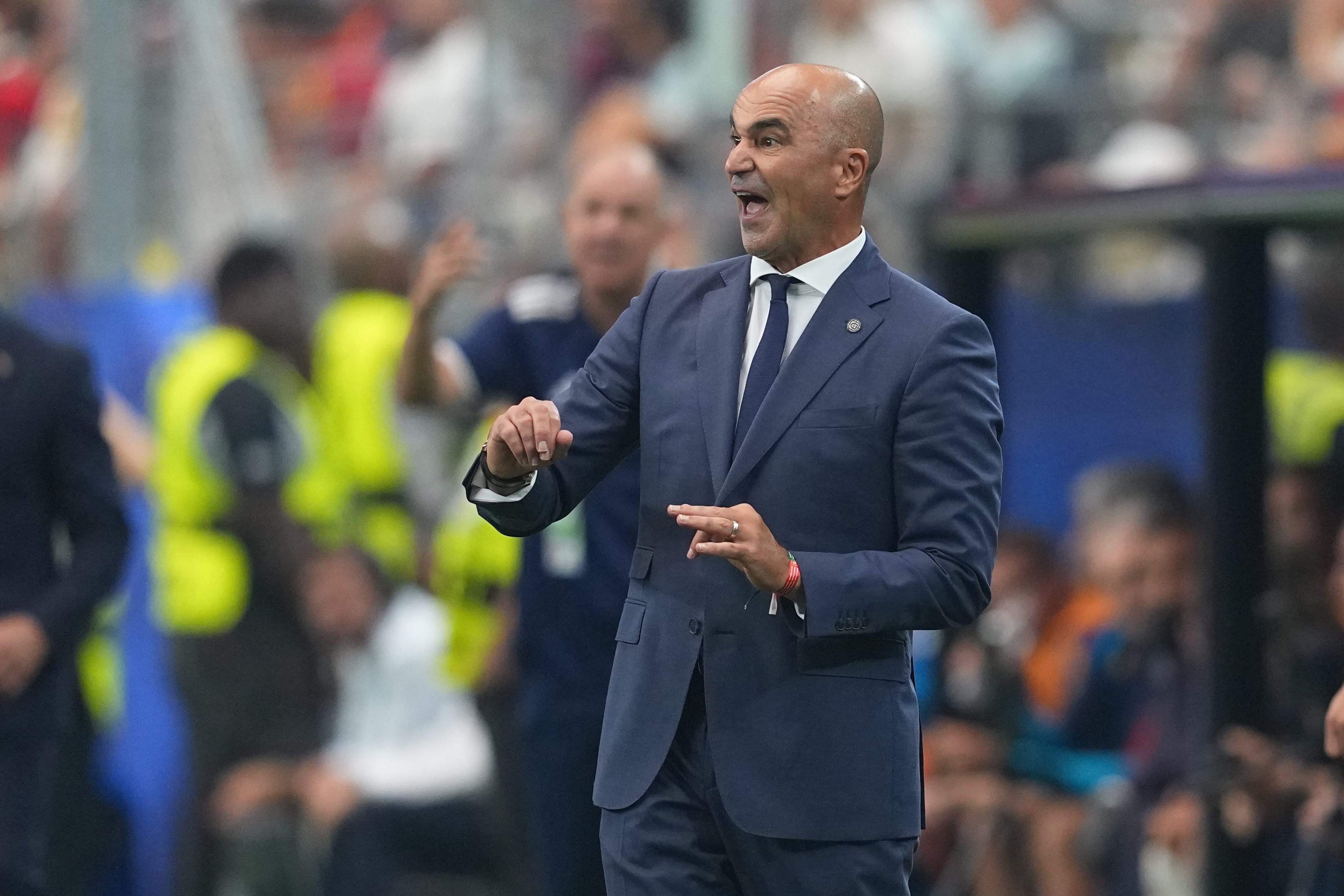
Roberto Martínez, the Spanish coach, has become the latest casualty in the World Cup managerial carousel. His departure follows the elimination of his team from the premier international football competition. Martínez joins a growing list of eleven coaches who have lost their jobs during or immediately after the tournament. The trend highlights the intense pressure and high stakes involved in managing national teams at the highest level. The World Cup often serves as a critical juncture for coaching assessments, with many federations opting for changes after disappointing performances. This pattern underscores the volatile nature of international football management, where results in a short, high-pressure tournament can swiftly lead to significant career consequences.
The frequent dismissals of national team coaches following major tournaments like the World Cup suggest a systemic tendency to prioritize short-term results over long-term strategic development. This pattern may reflect a risk-averse approach by football federations, which often face immense public and media pressure to deliver immediate success. While individual performance is crucial, the consistent cycle of hiring and firing raises questions about the sustainability of coaching tenures and the investment in building stable, cohesive teams. Future-oriented analysis might consider how alternative governance models or performance metrics could foster greater stability and allow coaches more time to implement their vision, potentially leading to more consistent long-term success and a more robust development pipeline for national teams.
AI-generated to prompt reflection — not editorial opinion, not advice, not a statement of fact. How this works.