Robot Swarm Deployed to Map Greenland's Ice Sheets and Predict Climate Tipping Points
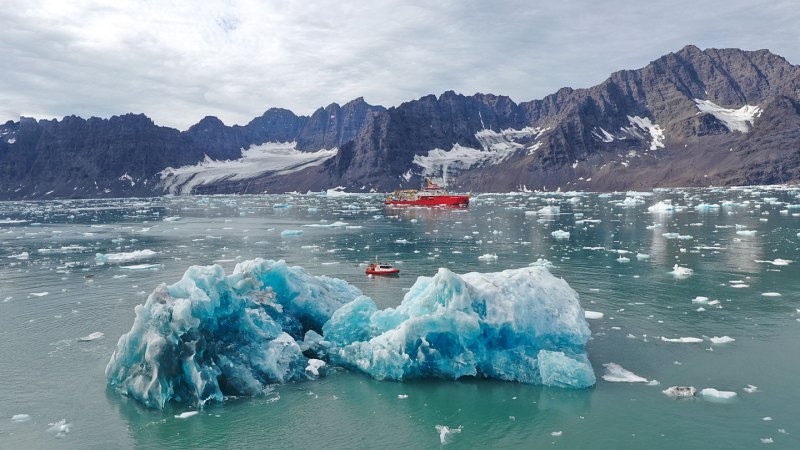
An ambitious expedition has deployed a swarm of robots with the primary objective of mapping Greenland's perilous ice sheets. The mission specifically aims to fill critical data gaps concerning the boundary between glaciers and the sea. This detailed mapping is crucial for improving predictions about when the Earth's climate system might reach a catastrophic tipping point. Understanding these dynamics is essential for anticipating future climate scenarios and their global impact. The robots will gather data that scientists can use to refine climate models and better assess the risks associated with rising sea levels and extreme weather events. This initiative represents a significant technological effort to address pressing climate change concerns.
The deployment of autonomous robotic systems to gather data on critical environmental indicators like Greenland's ice sheets represents a significant advancement in climate science. This technological approach allows for the collection of high-resolution data in previously inaccessible or hazardous regions, thereby reducing human risk and potentially increasing data accuracy. The initiative's focus on identifying climate tipping points underscores the urgency of understanding complex Earth systems. By providing more precise data, such missions can inform policy decisions and international cooperation efforts aimed at mitigating climate change. The long-term implications involve enhancing predictive capabilities for sea-level rise and extreme weather, which are crucial for global adaptation strategies in the coming decades.
AI-generated to prompt reflection — not editorial opinion, not advice, not a statement of fact. How this works.