Robotic Servicing Mission Launched to Geosynchronous Orbit with NASA Support
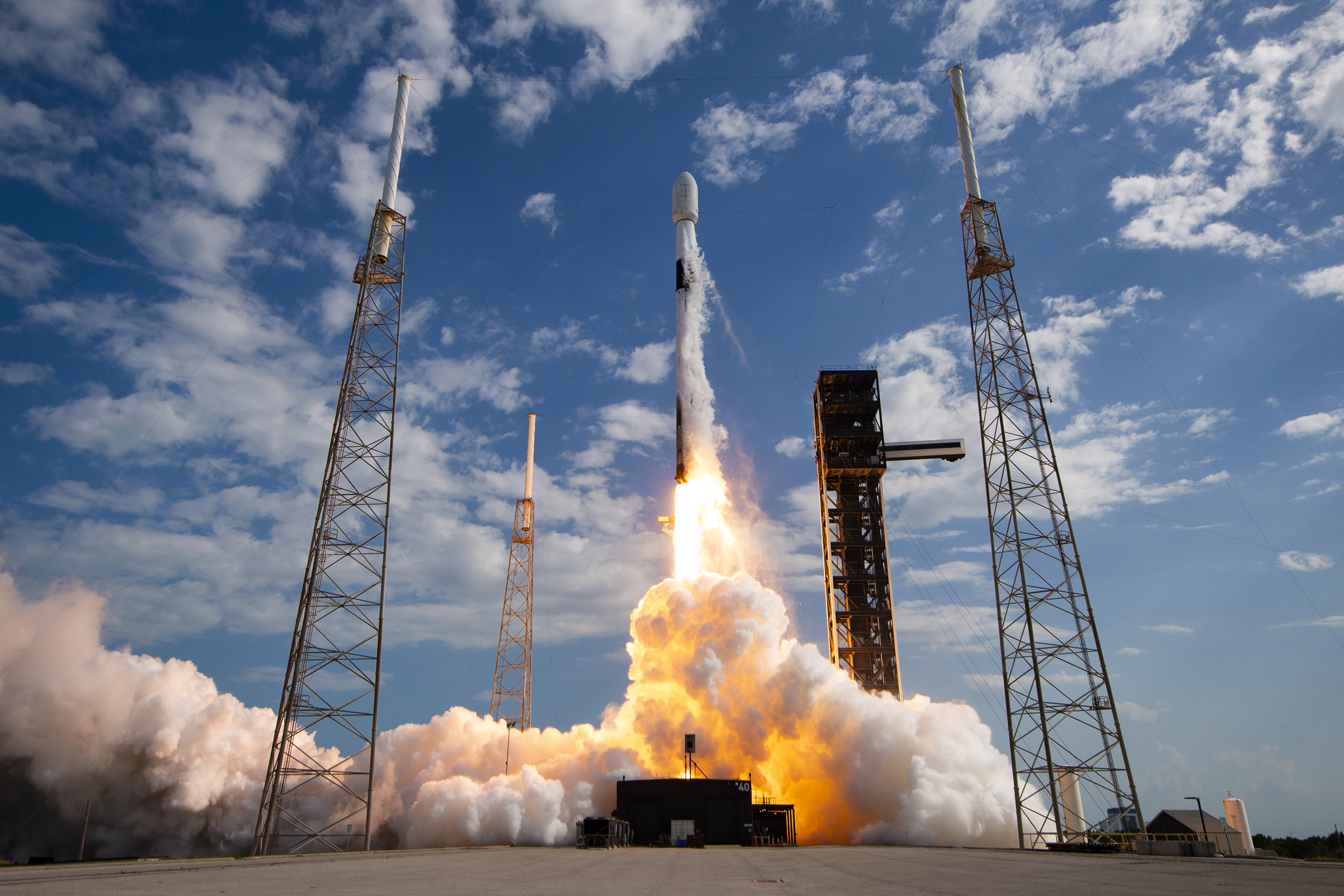
The Mission Robotic Vehicle (MRV), carrying the NASA-supported Robotic Servicing of Geosynchronous Satellites (RSGS) payload, successfully launched on July 21 from Cape Canaveral. It ascended into space aboard a SpaceX Falcon 9 rocket and is currently traveling towards geosynchronous Earth orbit. Once in orbit, the MRV will utilize its sophisticated robotic capabilities to perform servicing operations on existing spacecraft. The RSGS initiative draws upon NASA's extensive experience in space robotics. This mission aims to demonstrate the feasibility of extending the lifespan of valuable satellites through in-orbit servicing.
The launch of the MRV with the RSGS payload marks a significant step in the development of in-space servicing capabilities. This initiative leverages advanced robotics to address the growing need for satellite maintenance and life extension in geosynchronous orbit. Such capabilities are crucial for optimizing the utilization of expensive space assets and reducing orbital debris. The collaboration between NASA and commercial entities like SpaceX highlights a strategic shift towards public-private partnerships in space exploration and infrastructure development. Future advancements in this domain could fundamentally alter the economics of space operations, enabling more sustainable and cost-effective access to and utilization of Earth orbit.
AI-generated to prompt reflection — not editorial opinion, not advice, not a statement of fact. How this works.