Rock, Blue, White, or Semi-Fatty Fish: Differences and How to Check Freshness
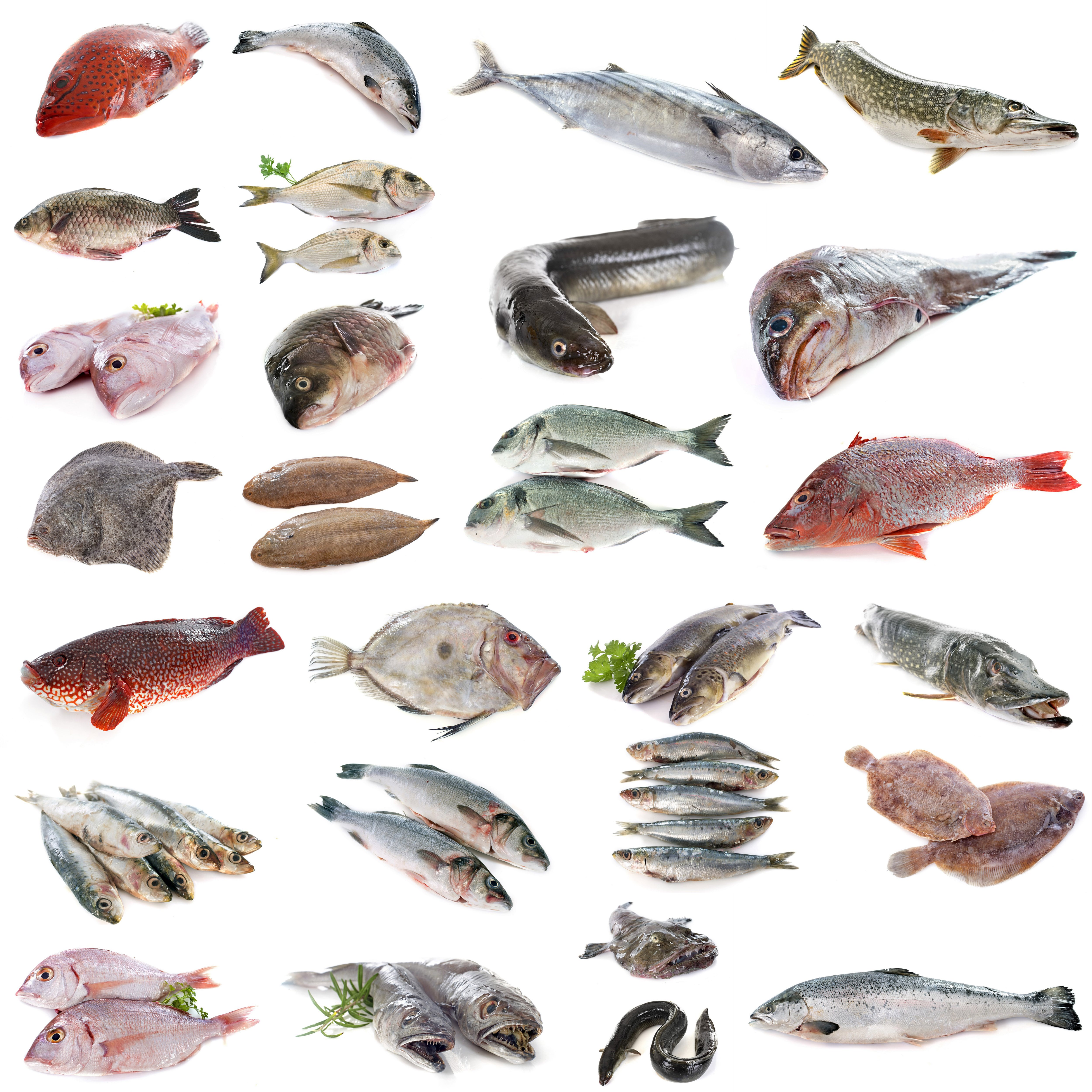
Fish are categorized by their fat content, which significantly influences their culinary value. This classification helps consumers understand the different types of fish available and how to best prepare them. The fat content not only affects the texture and flavor but also the nutritional profile of the fish. Understanding these differences allows for more informed choices when purchasing and cooking seafood.
Identifying fresh fish is crucial for enjoying its quality and safety. Several indicators can help determine a fish's freshness. These include the appearance of its eyes, which should be clear and bright, not cloudy or sunken. The gills should be a vibrant red or pink, free from slime. The flesh should be firm and elastic, springing back when pressed. Additionally, fresh fish typically has a clean, oceanic smell, lacking any strong, unpleasant odors. Paying attention to these signs ensures that consumers select the best quality fish for their meals.
The classification of fish by fat content highlights the intersection of biology, culinary arts, and consumer education. Understanding these distinctions empowers consumers to make informed decisions based on nutritional goals and taste preferences. The emphasis on freshness underscores the importance of supply chain transparency and proper handling from catch to plate. Future considerations may involve more sophisticated methods for assessing freshness, potentially integrating technology to provide consumers with real-time data on a fish's condition. This approach could enhance food safety and reduce waste, aligning with broader trends towards sustainable and informed consumption in the digital age.
AI-generated to prompt reflection — not editorial opinion, not advice, not a statement of fact. How this works.