Rock-Loving Parents in Ribeirão Preto Raise Children Immersed in Music
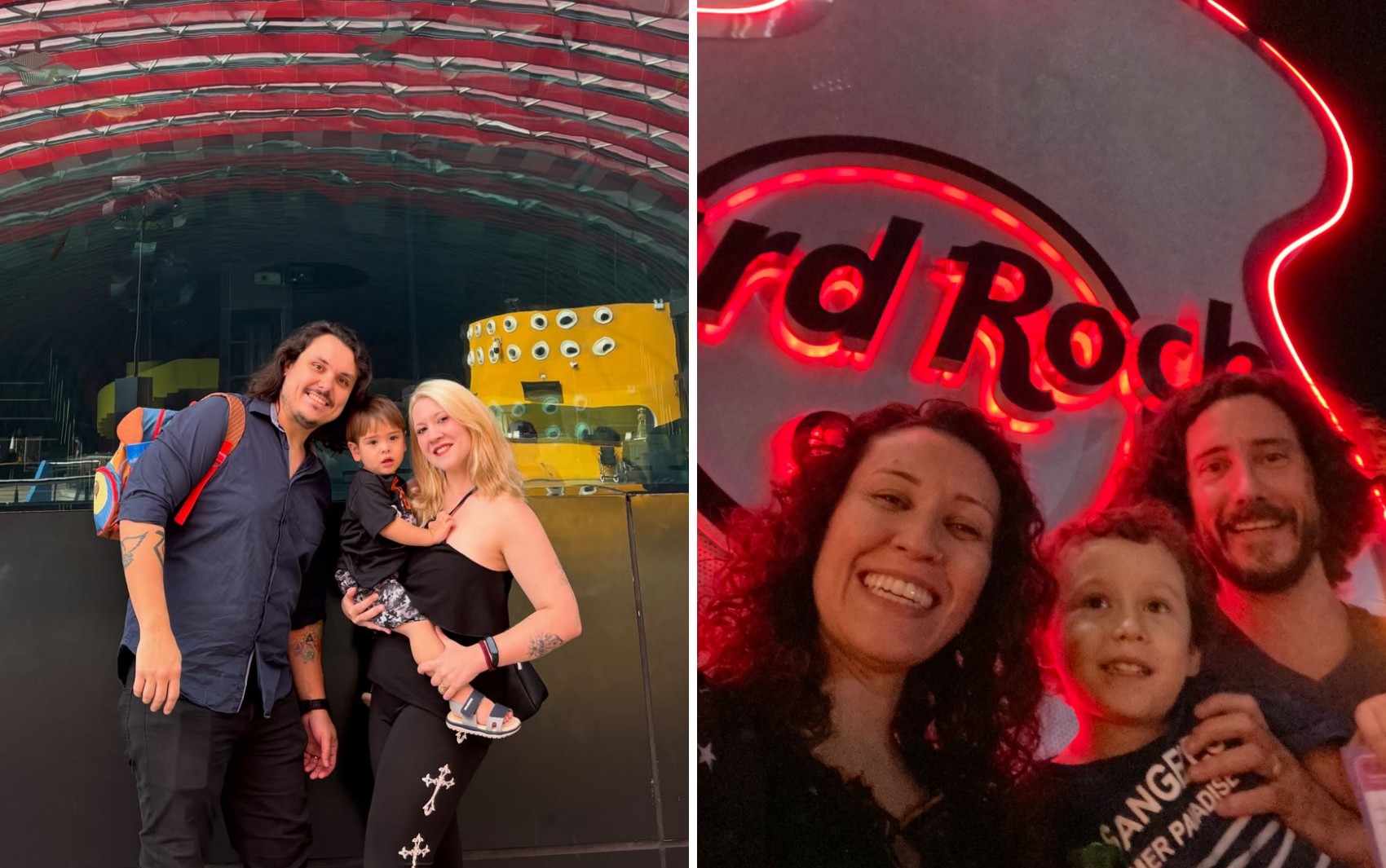
In Ribeirão Preto, Brazil, two families are raising their children with a deep immersion in rock music, believing it fosters crucial developmental skills beyond mere entertainment. For musician Beto Leonetti and writer Silvia Ueno, their 7-year-old son, Thomas, has gravitated from children's songs to classic rock bands, using musical exposure as a stimulus for expression and interaction since infancy. Similarly, professor Nayara Kobori and vocalist Renato Rosa named their 2-year-old son, Eduardo, in tribute to rock musicians Edu Falaschi and Supla. Eduardo already has favorite bands, attends his father's shows, and mimics his stage movements.
Parents observe significant advancements in their children's social skills, patience, and creativity, attributing these gains to early musical engagement. Daniel Junta, director of the School of Rock in Ribeirão Preto, explains that musicalization requires simultaneous brain activity, enhancing auditory, visual, reading, and memory skills, which benefits regular studies and discipline. Thomas's exposure began in utero with his father playing guitar, and post-birth, the family played rock music videos and vinyl records, leading him to operate a turntable at 1.5 years old. He also practiced drumming, inspired by artists like Neil Peart of Rush, and uses recycled materials to fuel his creativity, a trait his parents actively encourage to counter excessive screen time.
Eduardo's musical journey includes a playlist blending Disney classics with Brazilian metal band Massacration, and he frequently imitates his father's stage persona. His father, Renato, finds his son's presence at shows, whether on stage or in the audience, provides significant motivation. Nayara notes that Eduardo's musical education at school has made him an attentive and interactive student, with music positively impacting his neurodevelopment, cognitive functions, and motor skills, contributing to his calmness. Junta emphasizes that imitation, playful learning, and concert environments foster self-confidence and group interaction, with rhythm, melody, and harmony being key developmental pillars. Rock music serves as a central component, teaching discipline through practice routines and patience, with exposure to instruments like guitar and drums enhancing focus applicable to academic settings.
This narrative highlights how parental passion for a specific music genre, rock and roll, is being intentionally integrated into early childhood development in Ribeirão Preto. The parents' approach suggests a belief in music's capacity to enhance cognitive, social, and creative faculties, moving beyond passive consumption to active engagement with instruments and performance. The article frames this immersion as a positive force, citing expert opinions on the neurological benefits of musicalization. From a systems perspective, this case study illustrates a micro-level attempt to cultivate specific traits—discipline, creativity, social skills—through a structured, albeit informal, educational environment centered on a cultural artifact. The long-term implications, particularly regarding the children's future career paths versus their current developmental gains, present a trade-off between parental aspirations and individual autonomy. The narrative implicitly raises questions about whether such specialized immersion might inadvertently narrow future choices or, conversely, equip children with a unique toolkit for navigating an increasingly complex world, especially as AI reshapes traditional career landscapes.
AI-generated to prompt reflection — not editorial opinion, not advice, not a statement of fact. How this works.