Rocket Lab Successfully Tests Engine for Next-Generation Neutron Rocket
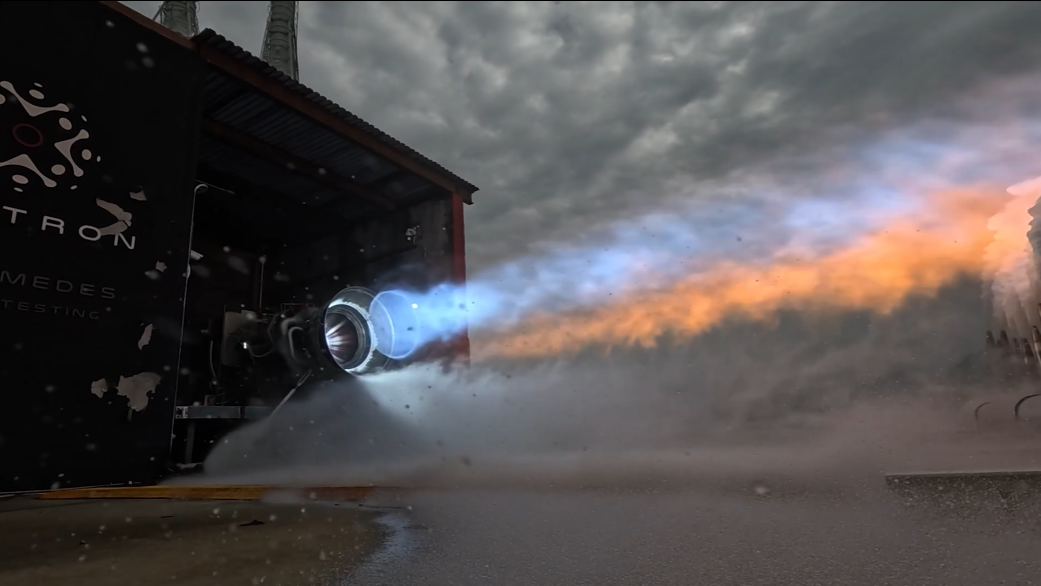
Rocket Lab has successfully conducted a full-duration static fire test of the engine destined for the second stage of its forthcoming Neutron launch vehicle. This marks a significant milestone in the development of the company's next-generation rocket. The Neutron launcher is designed to be a powerful and reusable rocket, intended to compete in the heavy-lift launch market. The static fire test is a critical step in validating the engine's performance and reliability under operational conditions. Successful completion of this test indicates progress towards the vehicle's integrated testing and eventual flight readiness. Rocket Lab aims to utilize the Neutron rocket for a variety of missions, including satellite deployment and potentially space tourism. The company has been actively developing its launch capabilities, with Neutron representing a major expansion beyond its current Electron rocket. Further testing and development phases are expected as Rocket Lab moves closer to the Neutron's maiden flight.
This static fire test represents a crucial validation point for Rocket Lab's ambitious Neutron program. By successfully testing the second-stage engine, the company is demonstrating tangible progress in developing a more powerful and reusable launch system. This capability is essential for competing in the evolving commercial space sector, which increasingly demands cost-effective and frequent launch services. The successful engine test signals a commitment to advancing launch vehicle technology, potentially impacting future payload delivery economics and accessibility. Continued progress in this development cycle will be closely watched as it could influence market dynamics and the pace of space exploration and commercialization in the coming decade.
AI-generated to prompt reflection — not editorial opinion, not advice, not a statement of fact. How this works.