Rocket Launch Costs Plummet 96% Over Six Decades
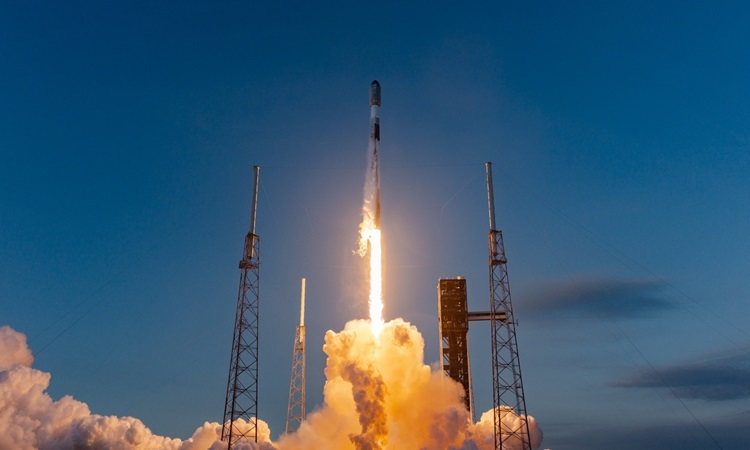
The cost of launching one kilogram of payload into orbit has dramatically decreased by 96% over the past six decades. Researchers from the United Kingdom and Italy calculated that the average cost has fallen from $87,023 in 1960 to an estimated $3,868 by the year 2025. This significant reduction highlights major advancements and efficiencies in space launch technology and operations. The data suggests a consistent downward trend in the economic barriers to accessing space. This trend is crucial for the future of space exploration, commercial satellite deployment, and potential space-based industries. The substantial drop in per-kilogram launch costs makes space more accessible for a wider range of scientific, commercial, and governmental applications. It signifies a maturing industry capable of delivering services at a fraction of the historical price. The continued decrease implies ongoing innovation and competition within the space sector.
The substantial reduction in launch costs over six decades, from $87,023 to an estimated $3,868 per kilogram, reflects significant technological progress and economies of scale in the space industry. This trend is likely driven by reusable rocket technology, increased launch cadence, and competition among launch providers. Such cost efficiencies democratize access to space, enabling more frequent scientific missions, commercial satellite constellations, and potentially new space-based economies. Looking ahead, continued innovation in propulsion and materials could further drive down costs, making orbital and interplanetary missions more feasible. However, the industry must also consider the sustainability of increased launch activity, including space debris mitigation and environmental impacts, as access becomes more widespread.
AI-generated to prompt reflection — not editorial opinion, not advice, not a statement of fact. How this works.