Rocket Launch Costs Plummet 96% Since 1960, With Further Drops Expected
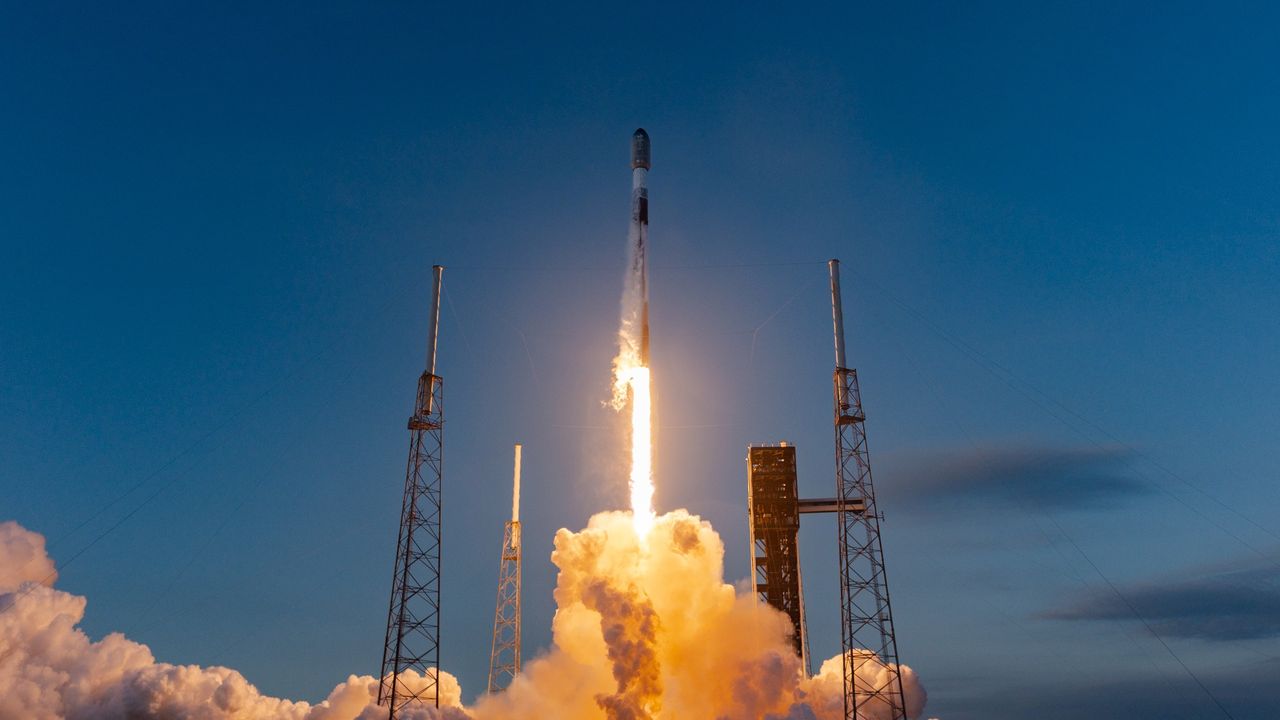
The cost of space launches has decreased by an astonishing 96% over the past six decades, according to a new study. This significant reduction in expenditure highlights a dramatic shift in the economics of space exploration and access. Furthermore, the research suggests that launch costs have the potential to fall by a similar magnitude in the coming years. Projections indicate that by the year 2040, costs could be substantially lower than they are today. This trend implies a future where space access becomes increasingly affordable and accessible. The study's findings point towards continued innovation and efficiency gains driving down the price of reaching orbit. Such a decline in costs could have profound implications for various sectors, including satellite deployment, space tourism, and scientific research. The potential for further dramatic cost reductions suggests a transformative era for the space industry.
The dramatic reduction in space launch costs, down 96% since 1960, reflects significant technological advancements and evolving market dynamics, likely driven by reusable rocket technology and increased competition. The projection of further substantial decreases by 2040 suggests a continued trend towards commoditization of space access. This could democratize space exploration and commercialization, enabling a wider range of actors to participate in space-based activities. However, sustained innovation and investment will be crucial to realizing these cost reductions. Policymakers and industry leaders will need to consider the infrastructure, regulatory frameworks, and international cooperation required to manage an increasingly active and accessible space domain in the coming decade.
AI-generated to prompt reflection — not editorial opinion, not advice, not a statement of fact. How this works.