Rodovia dos Imigrantes: A 50-Year Evolution Towards a Third Lane
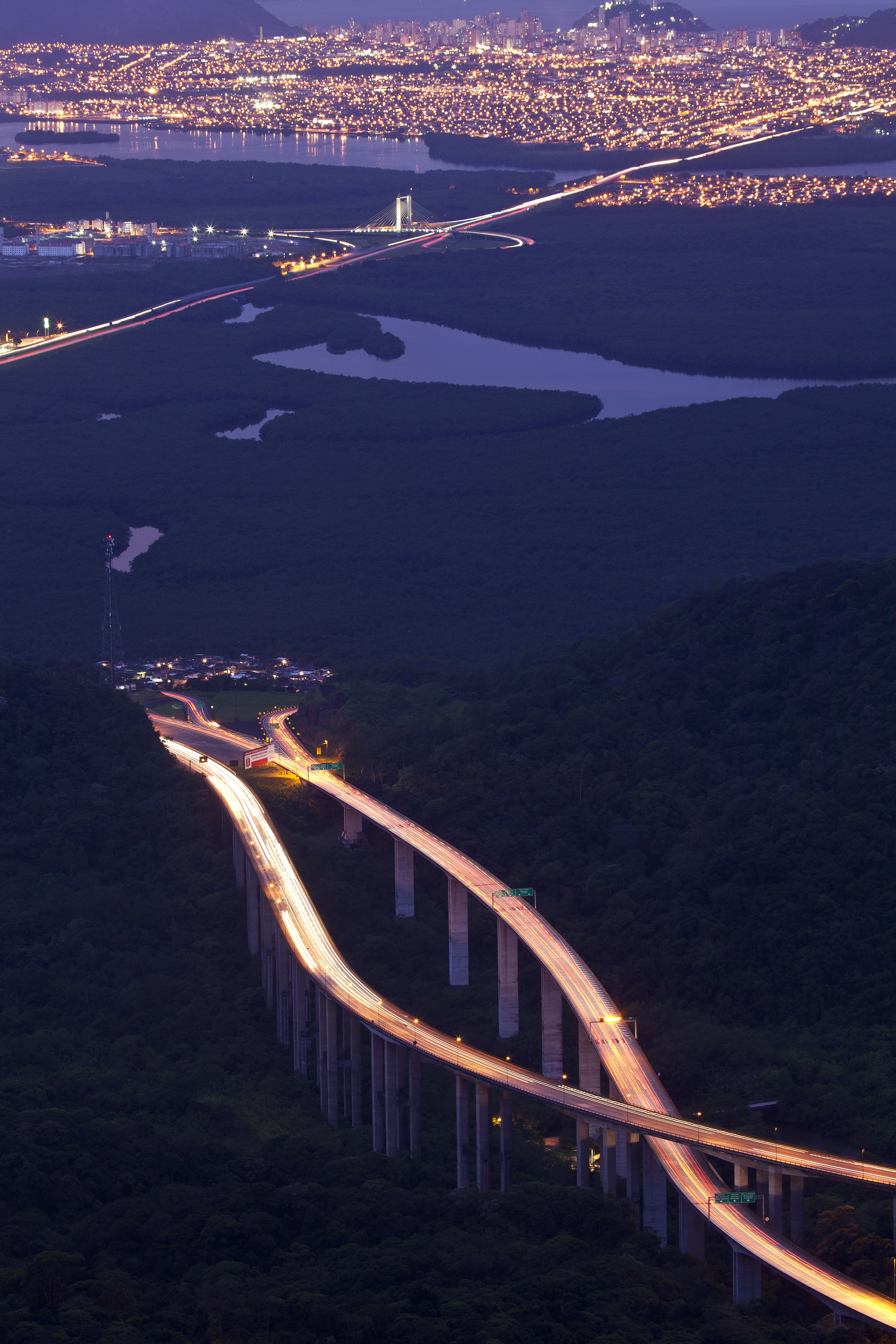
The Rodovia dos Imigrantes, a vital logistics corridor in Brazil connecting São Paulo and the coast, is undergoing a significant expansion with the planned construction of a third lane. This project continues a long history of engineering and infrastructure development along the Serra do Mar mountain range, dating back to the indigenous Trilha dos Tupiniquins. The first structured passage was the Calçada do Lorena, built between 1790 and 1792, which was considered the best road in the country at the time. Subsequent improvements included the Estrada da Maioridade in 1841, later renamed Estrada do Vergueiro in 1864. By 1922, this route was paved and became known as Rodovia Caminho do Mar, or the Old Santos Road. Further modernization saw the inauguration of the Via Anchieta in 1947 and the first lane of Rodovia dos Imigrantes in 1976, which is now celebrating its 50th anniversary. Ecovias Imigrantes began operating the Anchieta-Imigrantes System (SAI) in 1998, followed by the opening of the Imigrantes' second lane in 2002. The project for the third lane commenced in January 2024, with the route defined in August 2024. The functional project was delivered in February 2025, and the EIA-Rima in April 2025. The executive project is slated for delivery to the State of São Paulo in the second half of 2026, marking the next phase in this corridor's evolution.
The ongoing development of the Rodovia dos Imigrantes represents a continuous effort to enhance logistical capacity and connectivity between São Paulo's economic hub and its coastal regions. This multi-decade infrastructure evolution reflects a strategic response to increasing traffic demands and economic activity. The project's progression through various design and environmental stages, culminating in the executive project delivery by mid-2026, highlights a structured approach to large-scale public works. Future considerations for such critical infrastructure should include advanced traffic management systems and sustainable construction practices to optimize long-term efficiency and minimize environmental impact, especially given the sensitive ecological zone of the Serra do Mar. Evaluating the cost-benefit analysis of such expansions against alternative transportation solutions, including potential investments in rail or other modes, will be crucial for long-term regional development planning.
AI-generated to prompt reflection — not editorial opinion, not advice, not a statement of fact. How this works.