Rodri Explains Spain's Tactical Dominance in World Cup Final Victory Over France
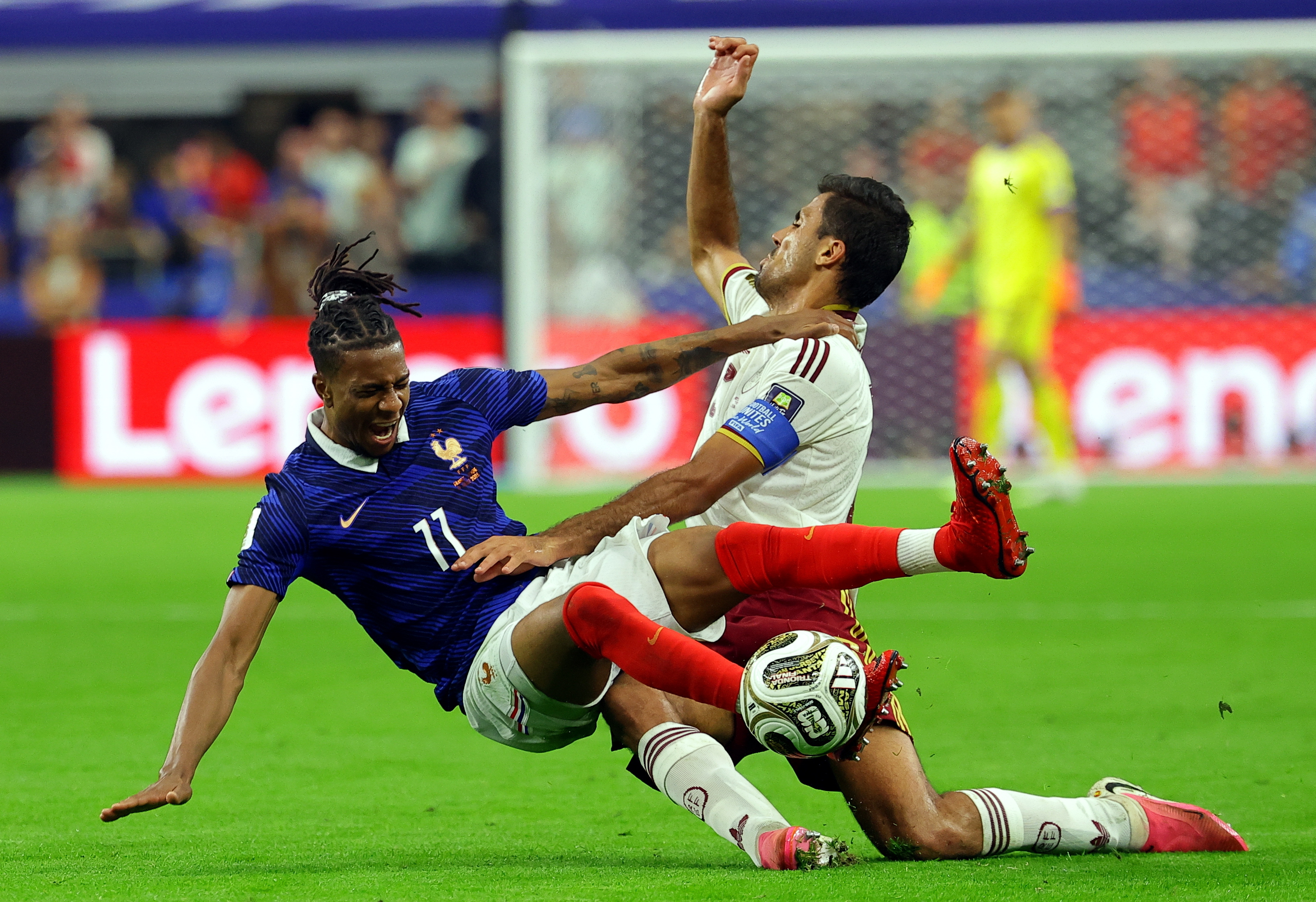
Rodri highlighted Spain's effective counter-pressing and collective effort as key factors in their 2-0 victory against France, which propelled "La Roja" back into a World Cup final after a 16-year absence. The Spanish team's strategy focused on immediately regaining possession after losing the ball, preventing France from establishing their rhythm. This high-intensity approach proved decisive in controlling the match and creating scoring opportunities. Spain now awaits the outcome of the match between Argentina and England to determine their opponent in the final. The win marks a significant achievement for the Spanish national team, showcasing their tactical discipline and teamwork on the global stage. Their return to the final underscores a resurgence in their competitive prowess in international football. The team's performance demonstrated a clear understanding of their game plan and the ability to execute it under pressure.
Spain's strategic victory over France underscores the growing importance of organized counter-pressing and collective defensive structures in modern football. The emphasis on immediate ball recovery after possession loss neutralizes opponents' attacking transitions and dictates game tempo. This approach, driven by tactical discipline and player coordination, offers a sustainable model for success, particularly against technically gifted teams. Looking ahead, the effectiveness of such systems will be tested against diverse playing styles, highlighting the need for adaptability and continuous tactical innovation in the evolving landscape of elite competition.
AI-generated to prompt reflection — not editorial opinion, not advice, not a statement of fact. How this works.