Roger Nimier's Children Reflect on Their Brilliant but Absent Father
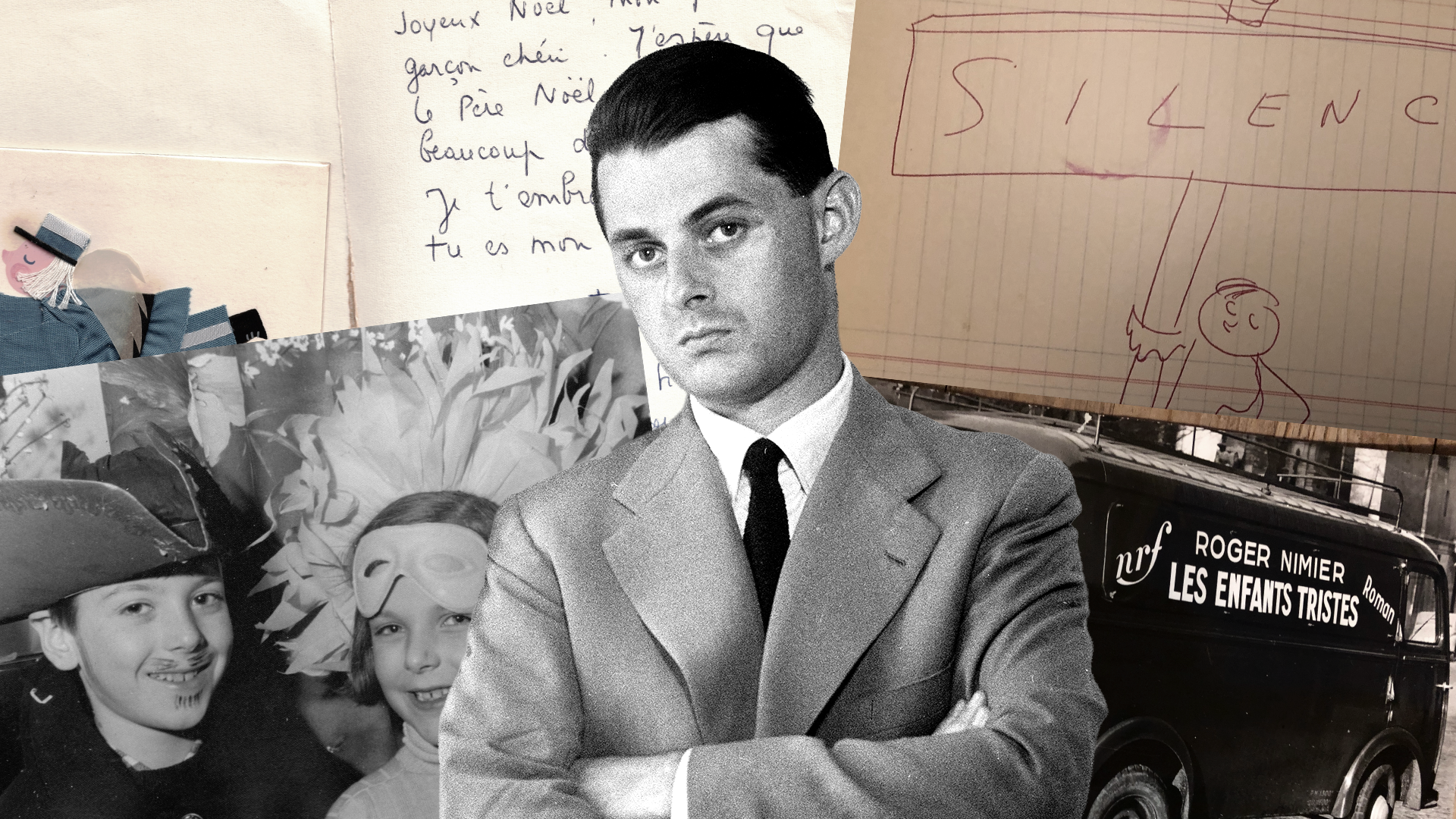
Roger Nimier, a prominent figure of the "Hussards bleus" literary movement, died tragically in 1962, leaving behind two children, Martin and Marie. While Martin maintains a quiet loyalty to his father's memory, Marie carries a more painful recollection. Their experiences highlight the paradox of a man who was a significant presence in literary history yet profoundly absent from their lives. The differing ways they remember him underscore the complex legacy of a brilliant father whose life was cut short.
Despite his literary achievements and enduring influence, Nimier's absence created a void in his children's upbringing. Their distinct memories, one of discreet fidelity and the other of deeper sorrow, paint a picture of a father who, though celebrated in literature, was a distant figure in their personal lives. This duality serves as a poignant reminder of the personal cost of fame and the enduring impact of parental absence.
The narrative surrounding Roger Nimier, particularly his tragic death and the subsequent impact on his children, offers a lens through which to examine the societal valuation of literary figures versus personal familial responsibilities. The "Hussards bleus" movement, while celebrated for its intellectual contributions, may have created an environment where public persona and literary output overshadowed private life. This situation prompts reflection on the inherent tension between public achievement and private sacrifice, a dynamic often amplified in eras of intense cultural focus. Future considerations might involve exploring how societal structures and expectations influence the balance individuals strike between their public roles and their commitments to family, particularly in the context of creative and intellectual professions.
AI-generated to prompt reflection — not editorial opinion, not advice, not a statement of fact. How this works.