Roku Leads Streaming Device Market but Lags Competitors in Key Features
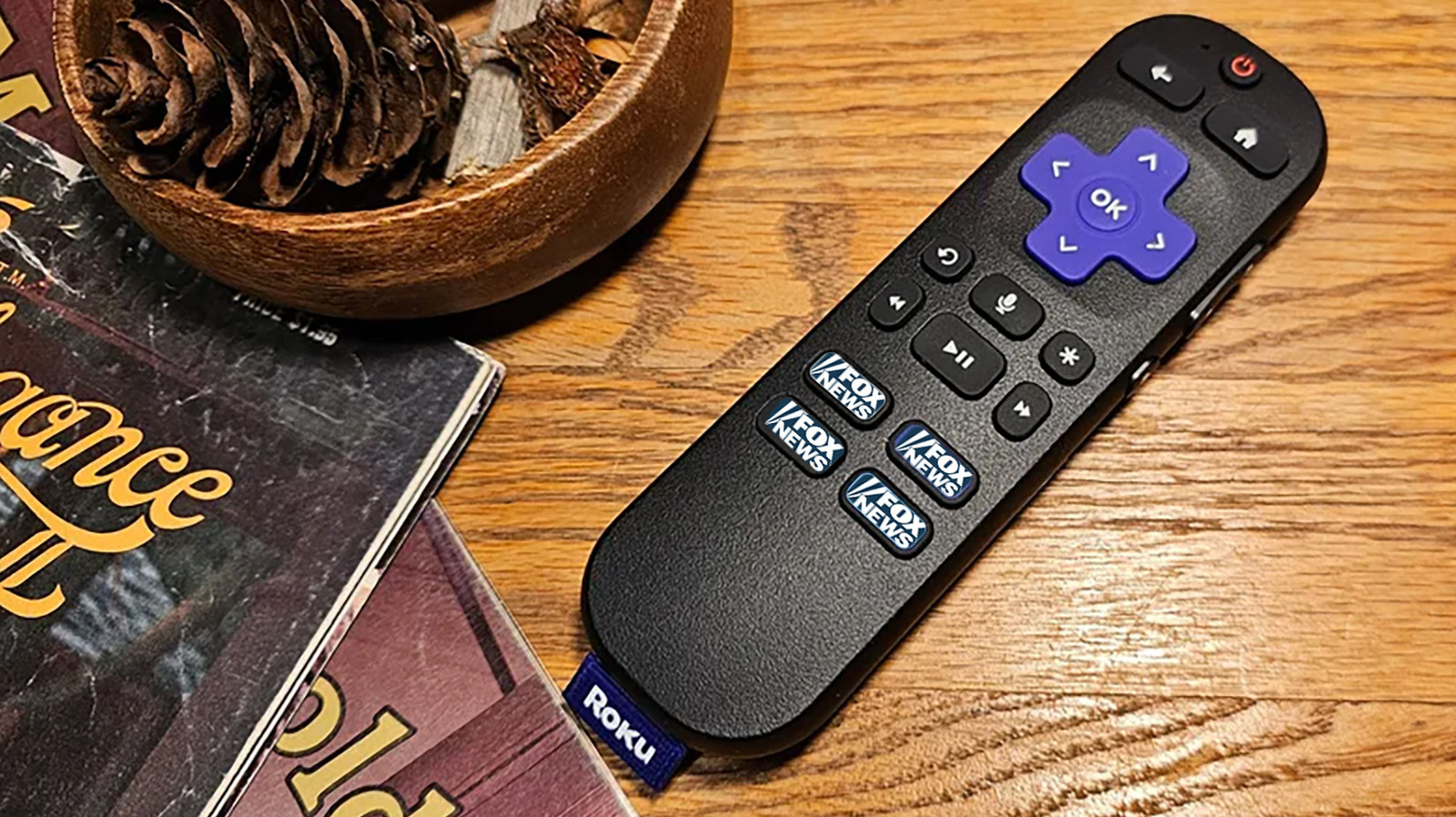
Despite being the most popular streaming TV platform, Roku's devices are falling behind competitors in several crucial areas. While Roku holds a significant market share, its hardware and software are not advancing as rapidly as those offered by rivals. This gap in development means users may be missing out on features that are becoming standard elsewhere in the competitive streaming landscape.
Key areas where Roku is reportedly lacking include advanced functionalities and integration capabilities. Competitors are pushing the boundaries with more sophisticated user interfaces, enhanced connectivity options, and deeper integration with other smart home devices. This suggests that while Roku's widespread adoption is a strength, its innovation pace might be a vulnerability. Consumers looking for the latest features may find Roku's offerings less compelling compared to alternatives that are evolving more quickly.
Roku's market leadership in streaming devices, despite identified feature gaps, highlights a common dynamic where established user bases can sustain market share even as competitors introduce more advanced functionalities. This situation presents a strategic challenge for Roku: balancing the need to maintain its broad appeal with the imperative to innovate and avoid technological obsolescence. The company must navigate the trade-offs between hardware development costs, software updates, and the competitive pressure to integrate emerging smart home and AI technologies. Future success will likely depend on Roku's ability to leverage its platform's reach to drive innovation and deliver compelling new features that resonate with evolving consumer expectations in the increasingly sophisticated digital entertainment ecosystem.
AI-generated to prompt reflection — not editorial opinion, not advice, not a statement of fact. How this works.