Roman-Era Hungarian Faces Reconstructed Using DNA and 3D Technology
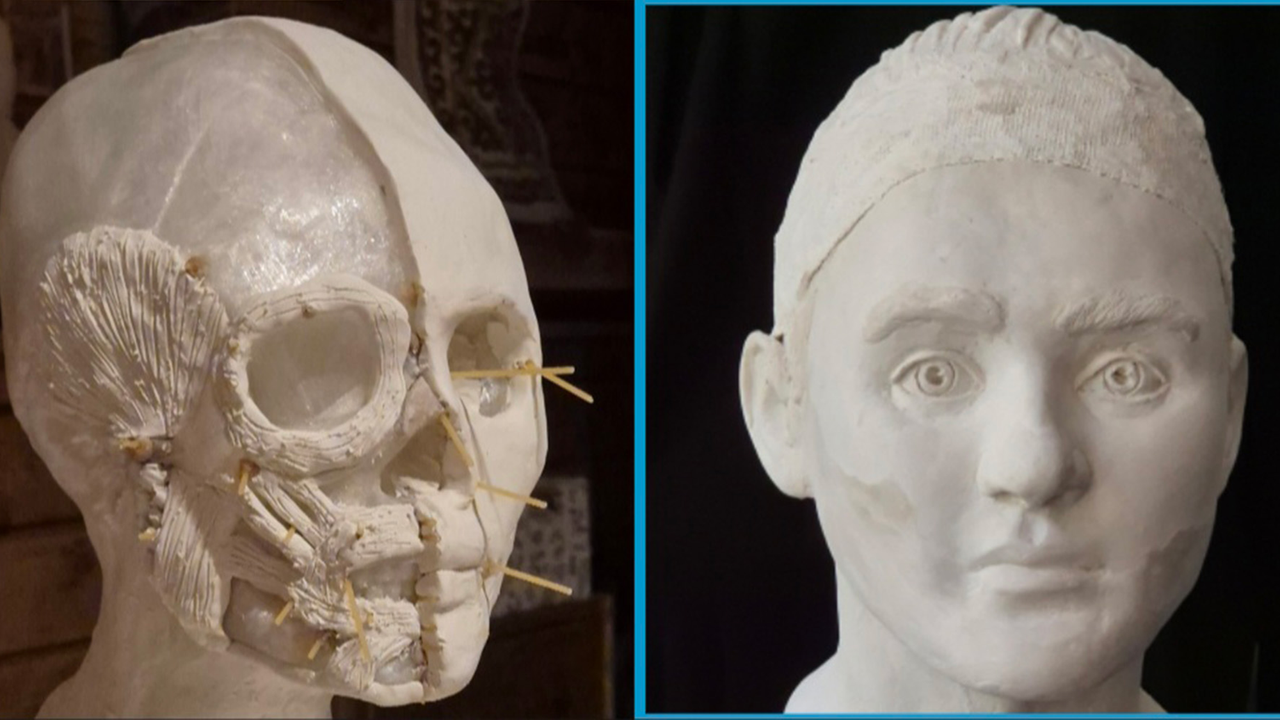
Experts have brought to life the faces of 16 individuals who lived near the ancient Roman frontier city of Aquincum approximately 1,700 years ago. This remarkable feat was achieved through a combination of advanced scientific techniques, including DNA analysis and forensic sculpture. The process involved creating 3D-printed skulls, which then served as the foundation for detailed facial reconstructions. These reconstructions offer a tangible connection to people from Roman-era Hungary, allowing us to visualize individuals who inhabited the region nearly two millennia ago. The project aims to bridge the gap between historical records and the human reality of past populations. By applying modern forensic and genetic technologies to ancient remains, scientists can reveal likenesses that were previously unimaginable. This innovative approach provides a unique window into the lives and appearances of those who lived along the Roman frontier.
This project leverages cutting-edge forensic and genetic technologies to humanize historical populations, moving beyond abstract data to tangible representations. By reconstructing faces from skeletal remains, it provides a powerful tool for public engagement with history and archaeology. The application of DNA analysis and 3D printing demonstrates the growing synergy between scientific disciplines in understanding the past. Such initiatives can foster a deeper appreciation for the diversity of ancient societies and challenge simplistic historical narratives, encouraging a more nuanced view of human continuity and change over centuries. The ethical implications of reconstructing and displaying ancient human likenesses warrant careful consideration, particularly regarding respect for the deceased and potential misinterpretations of identity.
AI-generated to prompt reflection — not editorial opinion, not advice, not a statement of fact. How this works.