Roman Ruins Fuel Rural Development in Spain's Depopulated "Vaciada" Regions
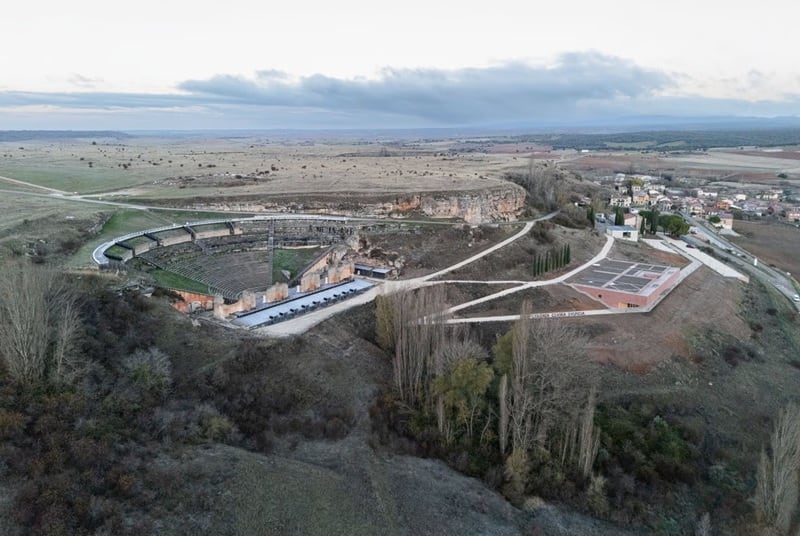
Small municipalities in Spain, often referred to as the "Hispania vaciada" (emptied Spain), are leveraging their Roman-era heritage to drive rural revitalization. These areas, characterized by minimal current populations, are seeking to reclaim their past imperial glory as a means of economic and social resurgence. The strategy involves transforming ancient Roman vestiges into focal points for tourism and cultural development. By highlighting these historical sites, local governments aim to attract visitors, create new economic opportunities, and combat the ongoing depopulation trend. This initiative represents a novel approach to rural development, where historical assets are viewed not just as relics of the past but as active engines for future growth. The success of these efforts could serve as a model for other depopulated rural areas facing similar challenges. The focus is on creating sustainable tourism models that benefit local communities and preserve historical integrity. Ultimately, the goal is to breathe new life into regions that have experienced significant population decline over decades.
The "Hispania vaciada" initiative repurposes historical Roman sites as catalysts for rural economic development, addressing demographic decline. This strategy capitalizes on cultural heritage tourism, a growing global sector, to generate revenue and employment in sparsely populated areas. By framing historical assets as engines for growth, these municipalities are attempting to reverse long-term depopulation trends. The approach highlights a broader shift towards valuing intangible and historical capital in economic planning, particularly relevant in an era where digital economies can exacerbate rural-urban divides. The long-term sustainability will depend on effective infrastructure, marketing, and community engagement, ensuring that development benefits local populations without compromising the historical integrity of the sites.
AI-generated to prompt reflection — not editorial opinion, not advice, not a statement of fact. How this works.