Roman Temple for Women Discovered 200 Meters Deep in Valencia Cave
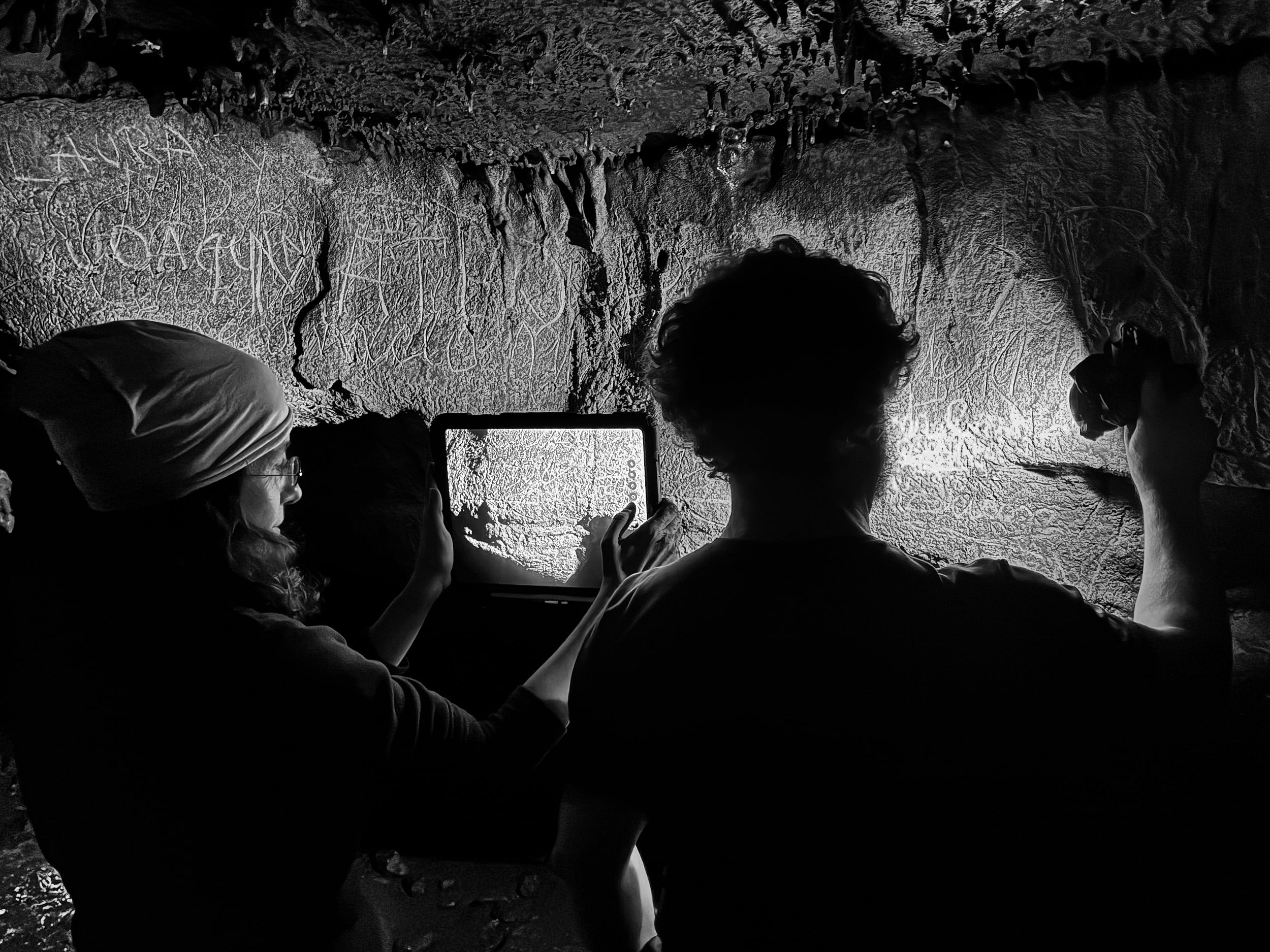
Archaeologists have uncovered a Roman temple specifically dedicated to women, hidden 200 meters underground within the Cova Dones cave in Valencia, Spain. The most striking feature of this subterranean sanctuary is a chamber containing 120 inscriptions. These dedications are all addressed to a previously unknown goddess named Malaci. The sheer volume of inscriptions found at this single site represents the largest collection of such dedications ever discovered in a Roman-era sanctuary. This discovery offers a unique glimpse into the religious practices and beliefs of women during the Roman period, highlighting a deity and a space previously absent from historical records. Further research into the context and meaning of these inscriptions is expected to shed more light on the role of women in ancient Roman society and its religious landscape.
The discovery of the Cova Dones temple provides a significant new data point for understanding gendered religious practices in the Roman Empire. The concentration of dedications to a specific, lesser-known goddess suggests a localized cult with a strong female following, potentially offering insights into female agency and spiritual expression within patriarchal structures. Future analysis should focus on comparative epigraphy and the socio-economic context of the region to discern the specific appeal of Malaci and the Cova Dones sanctuary. This finding could prompt a re-evaluation of the extent to which women maintained distinct religious spheres, even within the broader Roman pantheon and imperial cult.
AI-generated to prompt reflection — not editorial opinion, not advice, not a statement of fact. How this works.