Roman Women Farm Managers: More Than Housekeepers, They Drove Profitability
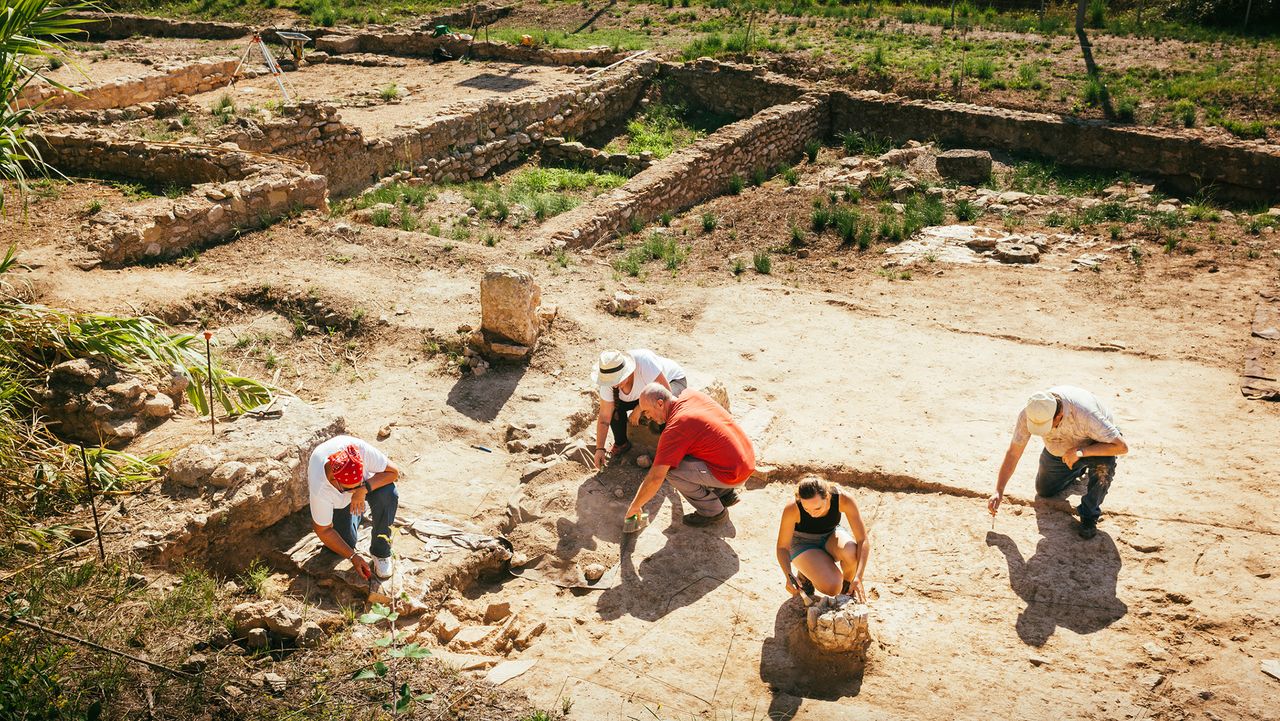
New historical research reveals that women in ancient Roman agricultural settings held significant management roles, extending far beyond domestic duties. These women were instrumental in the production of key commodities like wine and olive oil, and crucially, they were responsible for generating profits for the farms. Historians have historically overlooked or underestimated their contributions, often categorizing them simply as 'housekeepers.' This mischaracterization obscured their vital economic functions and entrepreneurial activities within the Roman agricultural system. The study highlights that these women actively managed resources, oversaw production processes, and were key players in the financial success of these enterprises. Their roles encompassed strategic decision-making related to cultivation, harvesting, and processing, directly impacting the profitability of the farms. This re-evaluation challenges traditional narratives that have marginalized women's economic agency in antiquity. It underscores the need to recognize their multifaceted responsibilities and their direct impact on the agricultural economy of the Roman world. The findings suggest a more complex and dynamic picture of gender roles in ancient Roman agriculture than previously understood.
Historical narratives often simplify complex societal roles, particularly for women, by applying broad, often domestic-centric labels. This research challenges such generalizations by highlighting the economic and managerial agency of Roman women in agricultural settings. The focus on their profit-generating responsibilities suggests a need to re-examine historical economic models that may have overlooked women's contributions to wealth creation and resource management. Understanding these overlooked roles is crucial for a more accurate depiction of ancient economies and for recognizing systemic patterns of historical underestimation of female economic power. Future analyses of historical agricultural systems should consider the potential for similar underestimations of women's economic contributions in other pre-industrial societies.
AI-generated to prompt reflection — not editorial opinion, not advice, not a statement of fact. How this works.