Romania Authorizes Expanded Bear Culling Amid Ongoing Enforcement Concerns
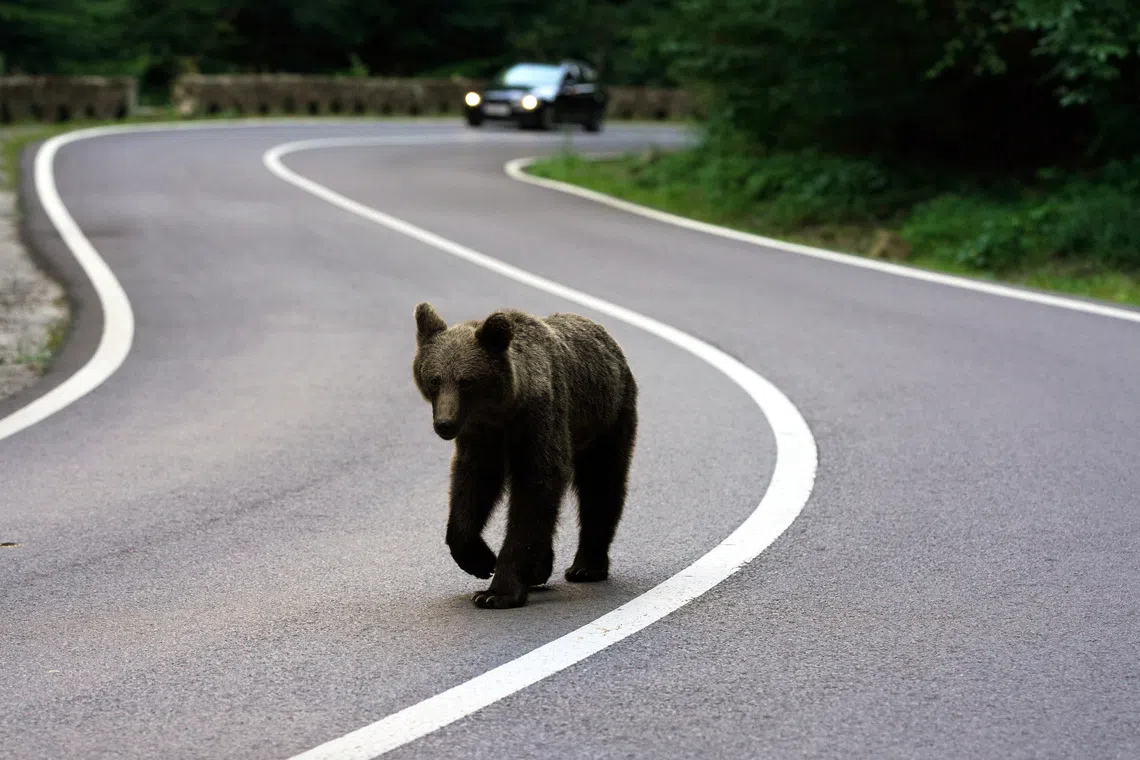
Romania has authorized an expansion of its brown bear culling program, a move that comes as critics point to persistent gaps in the enforcement of existing regulations. The issue has become increasingly visible, with incidents like one on Romania's Transfagarasan mountain road where at least 20 brown bears approached motorists within a three-hour period. These bears were drawn out from the forest by drivers who had stopped their vehicles to feed the animals and take photographs. This behavior highlights a complex challenge involving wildlife management, public safety, and the human interaction with bears in natural habitats. The expanded cull aims to address concerns over bear populations and their interactions with humans, but enforcement remains a critical point of contention for environmental groups and observers.
The Romanian government's decision to expand bear culling reflects a tension between public safety imperatives and conservation strategies. While the immediate goal is to mitigate human-bear conflict, the effectiveness of culling as a long-term solution is debated. Persistent enforcement gaps suggest that regulatory frameworks may not be adequately addressing the root causes of human-wildlife encounters, such as feeding behaviors and habitat encroachment. Future strategies might benefit from a multi-faceted approach that integrates stricter enforcement, public education campaigns on responsible wildlife interaction, and potentially non-lethal deterrents, alongside ecological studies to understand population dynamics and habitat health. This situation underscores the broader challenge of balancing human development with biodiversity preservation in the Anthropocene era.
AI-generated to prompt reflection — not editorial opinion, not advice, not a statement of fact. How this works.