Romania Blasts Rock to Aid Danube Water Flow to Nuclear Reactor Amid Drought
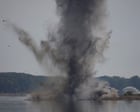
Romania has undertaken a controlled explosion to redirect water from the drought-stricken Danube River to its sole operational nuclear power plant. This action comes as record-low water levels in the Danube threaten the region's energy supply. Both Romania and neighboring Hungary have been compelled to reduce output from their nuclear reactors, which rely on the river for cooling. Hungary indicated it might sustain its nuclear plant's operation for an additional two days. Romania has declared a state of emergency for August due to diminished electricity production, directly linked to the low Danube levels impacting the Cernavodǎ nuclear plant. This situation highlights the vulnerability of critical infrastructure to climate-induced water scarcity.
The event underscores the increasing systemic risks posed by climate change to essential infrastructure, particularly energy production reliant on natural resources. As global temperatures rise and precipitation patterns shift, regions dependent on rivers like the Danube face escalating challenges in maintaining operations for power generation, including nuclear facilities. The reliance on such critical infrastructure highlights the need for adaptive strategies and diversified energy sources to mitigate future disruptions. Governance frameworks may need to evolve to address cross-border resource management and invest in resilient infrastructure capable of withstanding environmental volatility in the coming decade.
AI-generated to prompt reflection — not editorial opinion, not advice, not a statement of fact. How this works.
