Romania Blasts Rocks in Danube to Boost Nuclear Plant Water Supply Amid Low Water Crisis
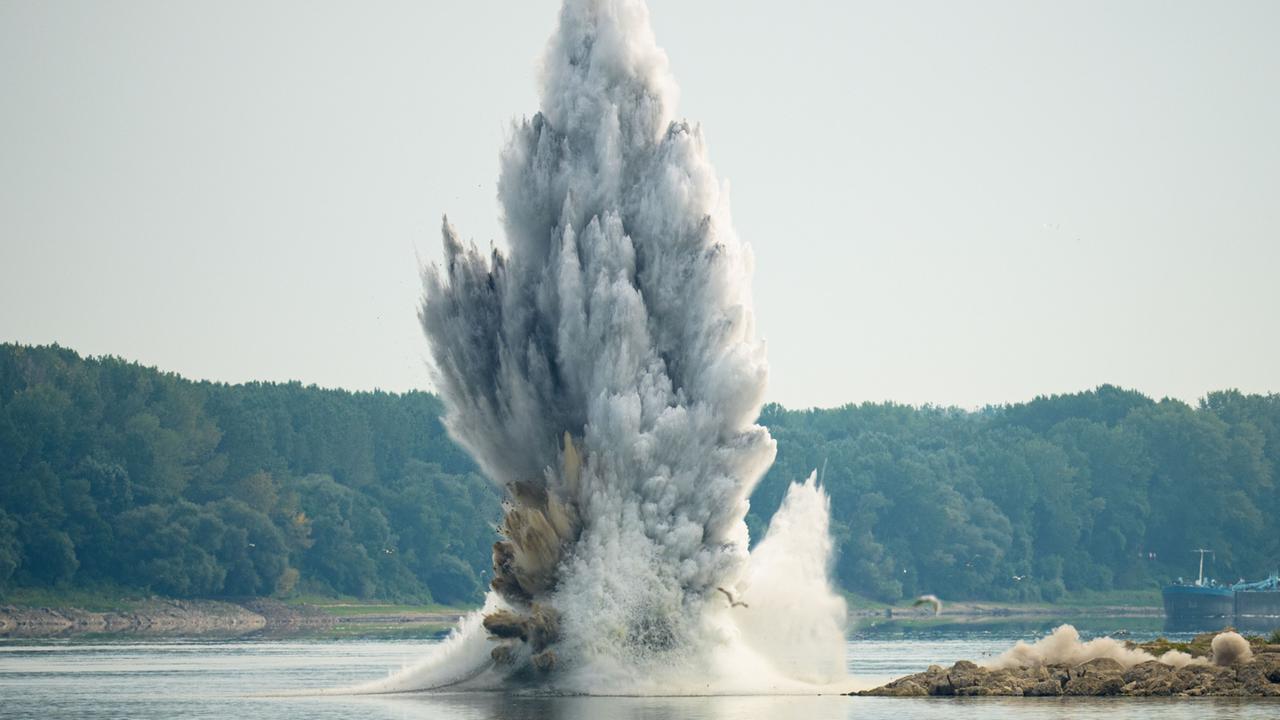
Romania is resorting to unusual measures to address a power crisis caused by low water levels in the Danube River. The country plans to detonate rocks within the river to increase water flow towards the Cernavodă Nuclear Power Plant. This action is intended to ensure sufficient water for the plant's cooling systems. Similar calls for power conservation are being issued in Hungary and Serbia, indicating a broader regional challenge. The low water levels in the Danube are impacting energy production and navigation across several European countries. The Cernavodă plant, Romania's sole nuclear facility, relies on the Danube for its operational needs. The government hopes this intervention will alleviate the immediate water shortage and prevent potential disruptions to electricity generation. The effectiveness and environmental impact of the rock blasting operation are yet to be determined.
The Romanian government's decision to blast rocks in the Danube River highlights the severe systemic vulnerabilities exposed by climate-induced low water levels. This intervention, while addressing an immediate energy security concern for the Cernavodă Nuclear Power Plant, represents a reactive measure rather than a sustainable solution. It raises questions about the long-term planning for critical infrastructure resilience in the face of predictable environmental shifts. The need for such drastic actions underscores the interconnectedness of water resources, energy production, and international river management. Future strategies will likely need to prioritize adaptive infrastructure and diversified energy sources to mitigate the risks posed by increasingly erratic hydrological patterns.
AI-generated to prompt reflection — not editorial opinion, not advice, not a statement of fact. How this works.
