Romania Blasts to Divert Water to Nuclear Plant Amid Europe's Heatwave Crisis
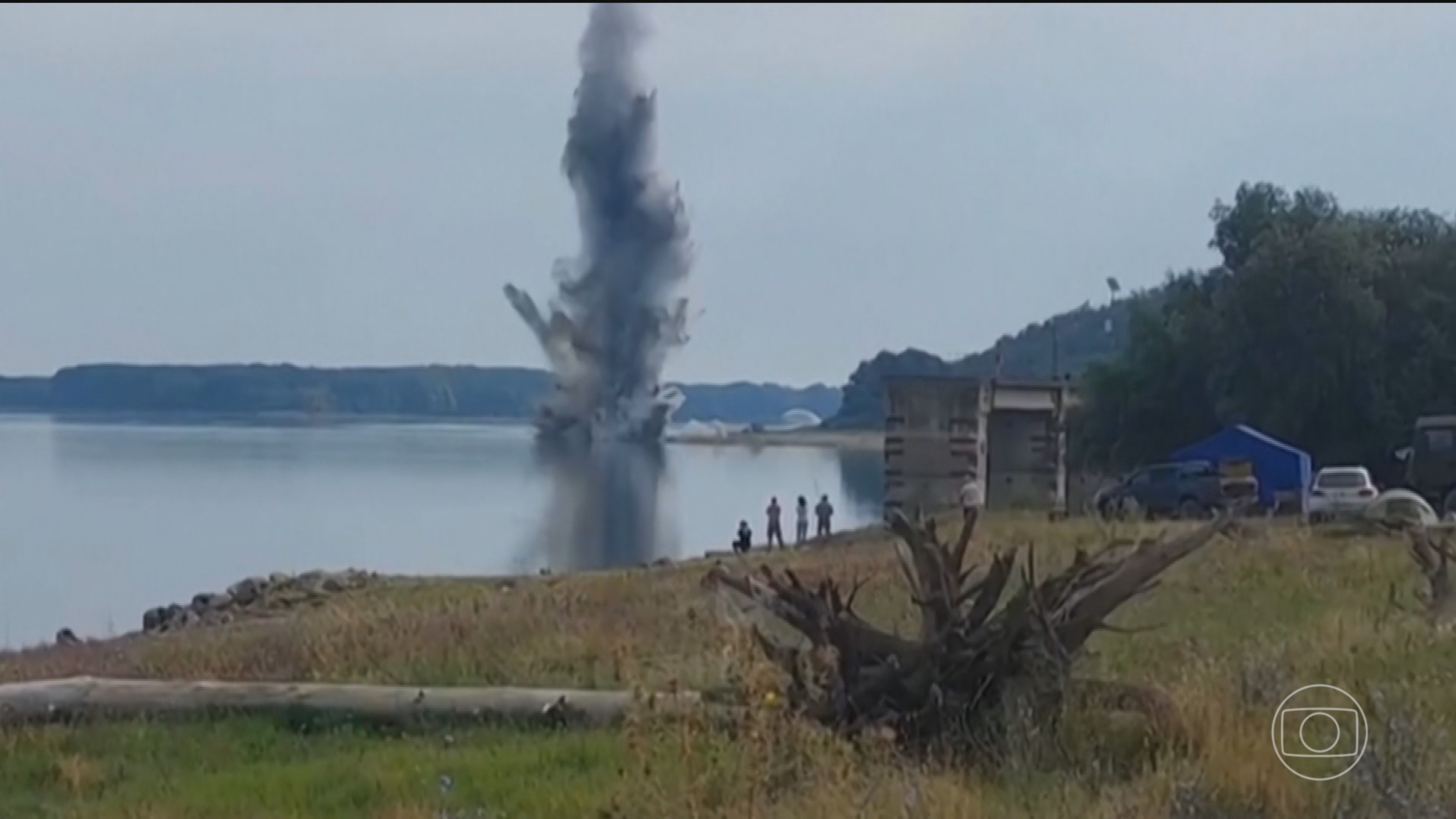
Europe is grappling with a severe energy crisis exacerbated by a prolonged heatwave and drought, leading several countries to implement rationing measures. Romania has declared a state of emergency as factories halt production due to the crisis. The Danube River, one of Europe's most vital waterways, has reached historic low levels. This critical situation impacts energy generation, transportation, and supply chains across the continent. In Romania, the military conducted controlled explosions to redirect water towards the country's main nuclear power plant. This plant relies on Danube water for cooling its reactors, but the river's reduced and warmer flow has compromised its operation, forcing the shutdown of one reactor. The Romanian government's emergency declaration stems from the significant drop in electricity production. Serbia is also experiencing energy rationing due to reduced hydroelectric power generation. The drought's impact extends to transportation, hindering goods movement along the Danube. Hungary's Prime Minister Peter Magyar warned of critical conditions, anticipating extreme heat exceeding 42°C. Hungary's sole nuclear plant is operating at only 10% capacity and faces potential closure this week. Meanwhile, in Greece, firefighters are battling a forest fire near Athens for the fourth consecutive day, which has destroyed homes and a vast area of vegetation. Tragically, two firefighters died in a helicopter collision while fighting the blaze, with authorities investigating the incident.
The current European energy crisis, amplified by extreme weather events, highlights the systemic vulnerabilities of critical infrastructure reliant on natural resources. The incident in Romania, where controlled explosions were used to manage water flow for a nuclear facility, underscores the extreme measures being taken to maintain operations under duress. This situation prompts a re-evaluation of the long-term resilience of energy grids against climate change impacts. Future energy strategies must integrate adaptive infrastructure and diversified resource management to mitigate risks associated with water scarcity and temperature fluctuations. The interconnectedness of energy, water, and transportation systems means that disruptions in one area can cascade, necessitating holistic planning and investment in sustainable solutions that account for environmental unpredictability and geopolitical stability.
AI-generated to prompt reflection — not editorial opinion, not advice, not a statement of fact. How this works.
