Romania Conducts Danube River Blast to Boost Water Supply for Nuclear Plant
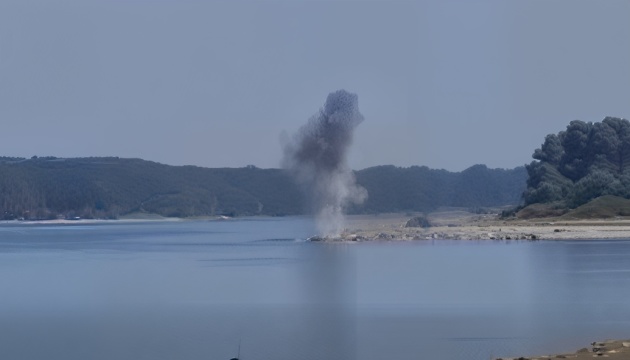
Romania has initiated controlled blasting operations in the Bâlea arm of the Danube River. The objective of this action is to increase water flow into the main river channel. This measure is intended to mitigate risks associated with the operation of the Cernavodă Nuclear Power Plant. The plant relies on a consistent and sufficient water supply from the Danube for its cooling systems. By enhancing the water flow, authorities aim to ensure the plant's stable and safe functioning, particularly during periods of potentially lower water levels. The controlled explosion is a critical step in maintaining the operational integrity of the nuclear facility.
This intervention in the Danube's hydrology highlights the critical infrastructure dependencies of nuclear power generation. By altering a natural waterway to secure water for the Cernavodă Nuclear Power Plant, Romania is balancing energy production needs against potential ecological impacts. Such actions underscore the growing challenges of resource management in the face of climate change and increasing energy demands. Future planning may need to explore more sustainable and less disruptive methods for ensuring water security for critical facilities, considering the long-term environmental consequences and the potential for international watercourse disputes.
AI-generated to prompt reflection — not editorial opinion, not advice, not a statement of fact. How this works.