Romania's Rising Costs to Defend Skies Against Russian Drones
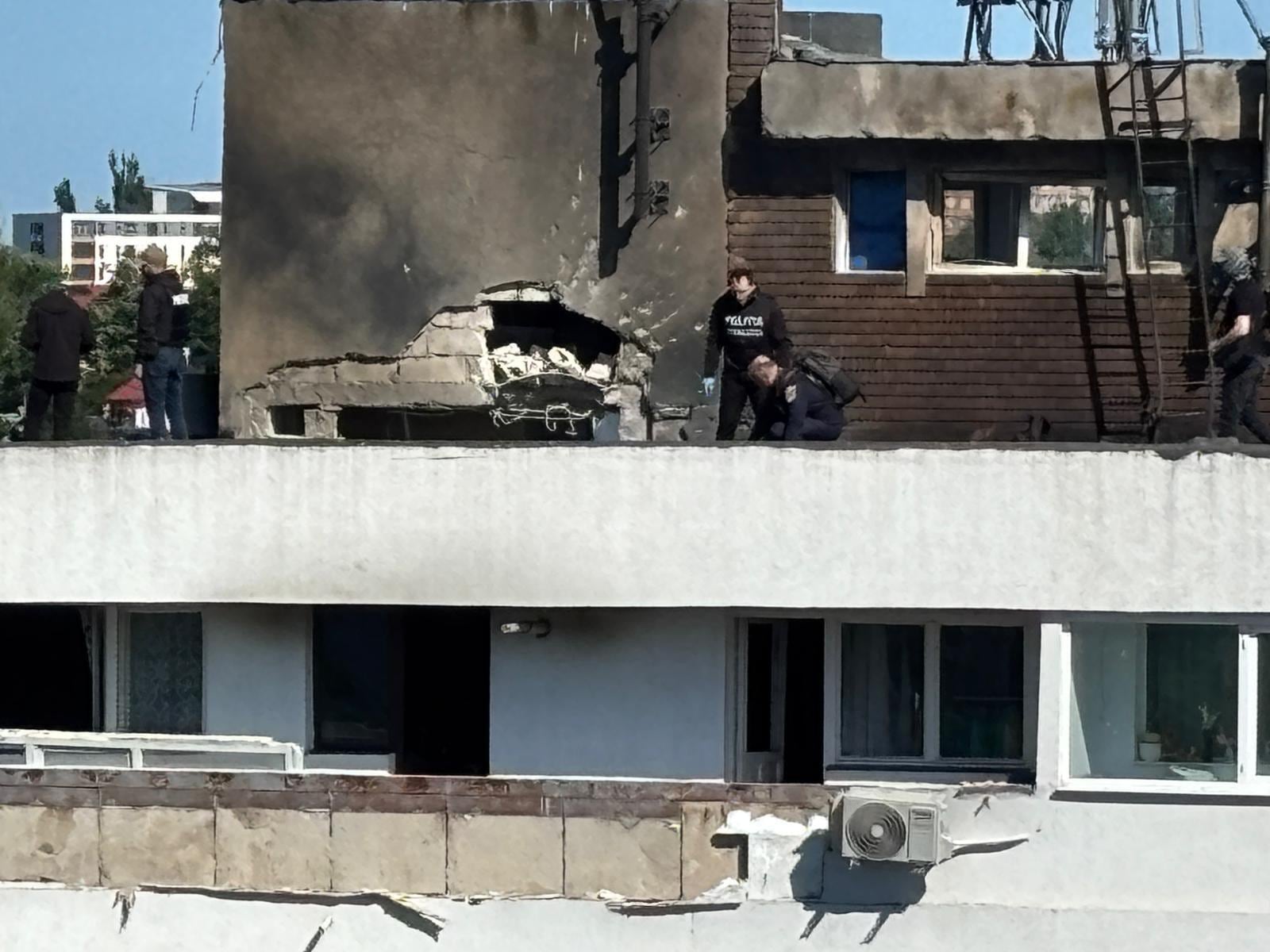
Romania is increasing its efforts to defend its airspace against Russian drone incursions, abandoning its previous policy of restraint due to the escalating threat. This shift comes at a significant financial cost, as intercepting these unmanned aerial vehicles is an expensive undertaking. The Romanian government has recognized the necessity of a more robust defense strategy to protect its territory and citizens from potential aerial attacks. The decision reflects a broader regional concern over Russian military activities and their potential impact on neighboring countries. While the exact financial figures for these enhanced defense measures have not been fully disclosed, the commitment to actively counter drone threats underscores a new phase in Romania's security posture. The policy change signifies a proactive approach to national security in the face of evolving geopolitical challenges. This move is expected to involve investments in advanced surveillance and interception technologies. The increased defense spending is seen as a necessary measure to ensure the safety and sovereignty of Romania.
Romania's decision to actively counter Russian drone incursions signals a strategic pivot driven by perceived security imperatives. The elevated costs associated with intercepting drones highlight a systemic challenge in modern aerial defense, where technological parity often demands substantial financial investment. This situation presents a trade-off between immediate security expenditures and long-term economic considerations, potentially diverting resources from other critical sectors. Looking ahead, the increasing prevalence of drone technology in conflicts suggests that nations will face continuous pressure to innovate and optimize their defense capabilities to manage costs effectively. Romania's approach may set a precedent for other nations facing similar threats, emphasizing the need for adaptable and cost-efficient defense strategies in the evolving geopolitical landscape.
AI-generated to prompt reflection — not editorial opinion, not advice, not a statement of fact. How this works.