Romania's Takeaways from the NATO Summit in Ankara
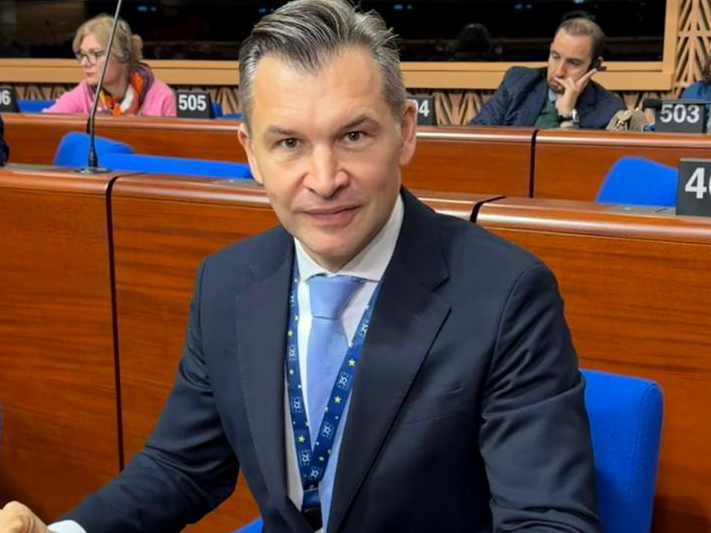
The recent NATO summit in Ankara followed a familiar pattern of pre-summit speculation about potential rifts within the alliance, which invariably proved unfounded as the meeting concluded with continued cooperation. Romania, like other member states, participated in these discussions. While the original text does not detail specific outcomes for Romania, it highlights the recurring dynamic where international press anticipates significant divisions within NATO, only for the alliance to reaffirm its cohesion and forward momentum. The summit in Ankara thus concluded with the established trajectory of NATO's operations and strategic alignment remaining intact. This pattern suggests a resilient alliance structure that, despite internal debates and external pressures, maintains its operational unity. The focus of the summit, as implied by the context of ongoing alliance dynamics, likely involved discussions on shared security challenges and collective defense strategies. Romania's engagement in such summits underscores its commitment to the alliance's objectives and its role within the collective security framework of NATO.
The recurring narrative of NATO's potential fragmentation, followed by its reaffirmation of unity, suggests a strategic communication pattern or an inherent resilience in the alliance's institutional design. This cycle may serve to manage public perception and internal cohesion by framing challenges as surmountable. For member states like Romania, participation in these summits reinforces their integration into collective security frameworks, potentially influencing national defense policies and resource allocation. The consistent outcome, despite dramatic pre-summit headlines, points to established consensus-building mechanisms within NATO that prioritize strategic continuity over disruptive change, a dynamic likely to persist as the alliance navigates evolving geopolitical landscapes over the next decade.
AI-generated to prompt reflection — not editorial opinion, not advice, not a statement of fact. How this works.