Romania Uses Explosives to Boost Danube River Flow for Nuclear Plant Cooling
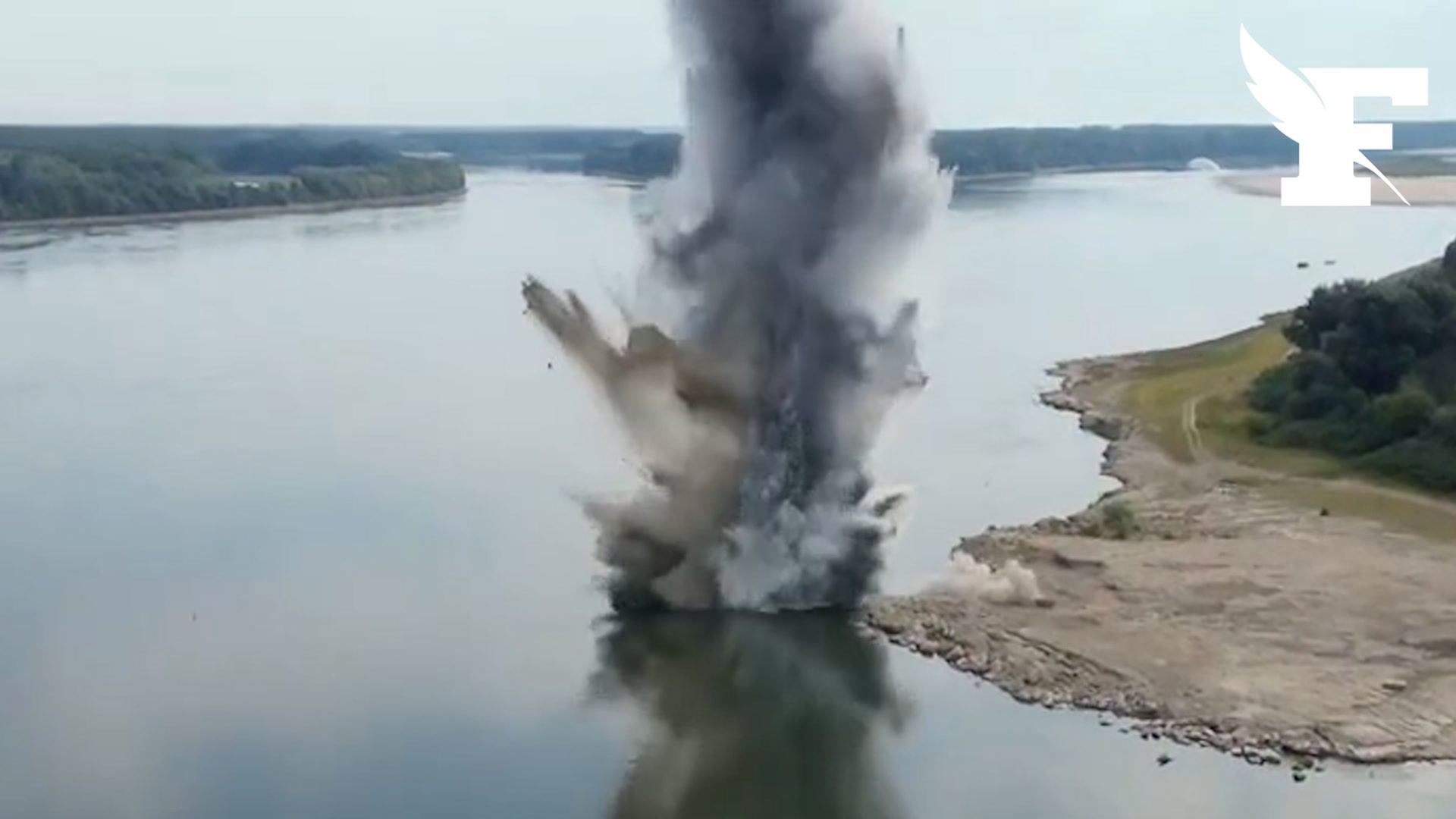
Romania has employed an impressive explosive operation to increase the water flow of the drought-stricken Danube River. The primary objective of this action is to ensure the adequate cooling of the country's sole nuclear power plant. The operation highlights the critical challenges posed by water scarcity to essential infrastructure. By artificially enhancing the river's discharge, authorities aim to prevent potential disruptions to the nuclear facility's operations. This measure underscores the vulnerability of energy production to environmental conditions, particularly in regions experiencing prolonged dry spells. The successful execution of such a drastic measure is crucial for maintaining a stable energy supply.
This event demonstrates the increasing reliance on engineered solutions to mitigate the impacts of climate change on critical infrastructure. The use of explosives to manage river flow for a nuclear power plant's cooling system highlights a potential systemic vulnerability. As water scarcity becomes more prevalent due to changing climate patterns, such interventions may become more frequent. This raises questions about the long-term sustainability of such methods and the potential environmental consequences of large-scale hydrological manipulation. Future planning may need to incorporate more resilient cooling technologies or alternative energy sources that are less dependent on specific water levels. The incident serves as a case study for evaluating the trade-offs between immediate operational needs and potential ecological or safety risks associated with artificial environmental interventions.
AI-generated to prompt reflection — not editorial opinion, not advice, not a statement of fact. How this works.
