Romanian Agriculture Minister: National Hail Suppression System Needs Full Government Approval
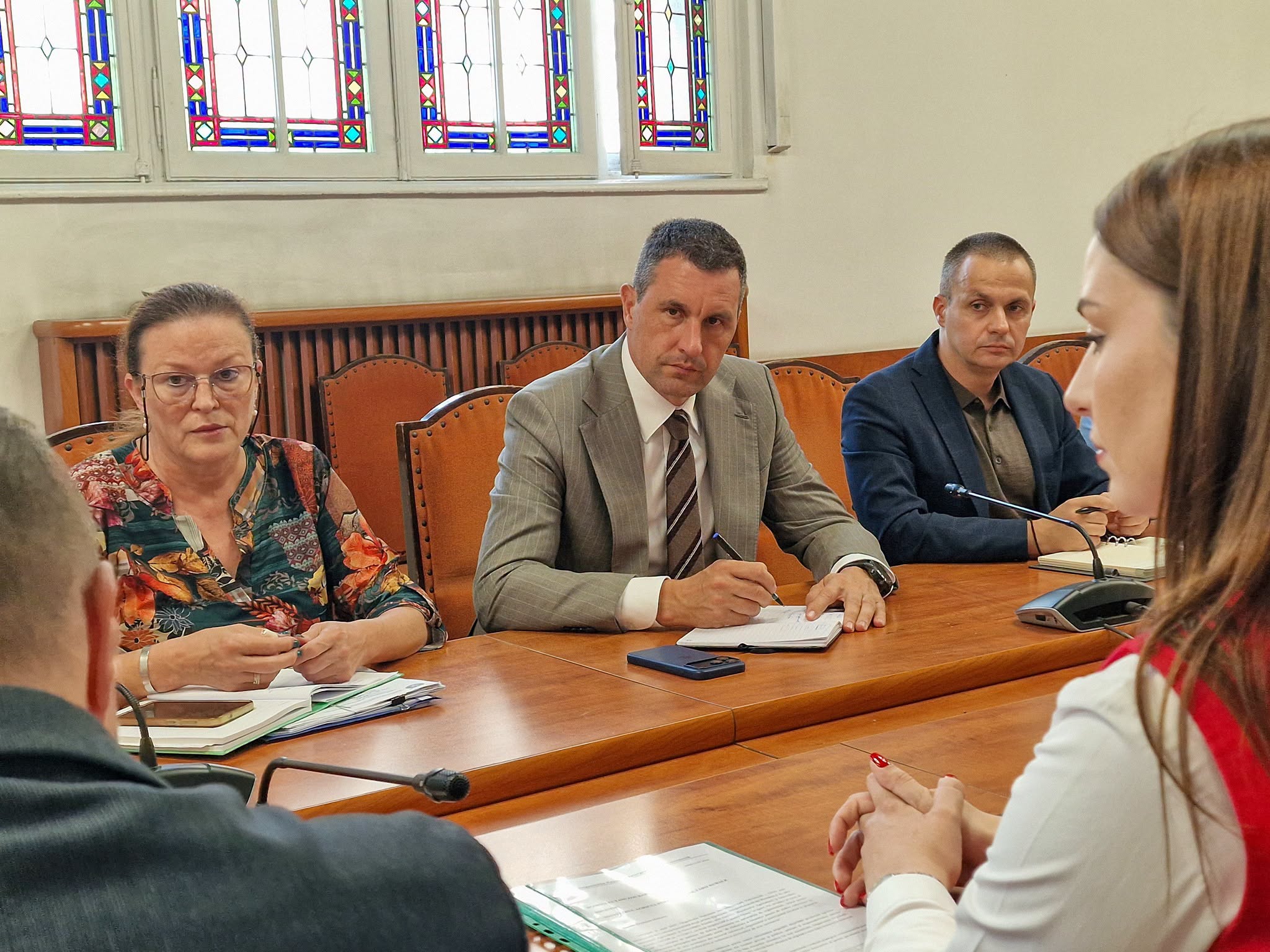
Viticulturists in Romania are urging the government to reactivate the national hail suppression system to protect their crops from severe weather damage. However, the interim Minister of Agriculture, Tánczos Barna, announced on Tuesday that the necessary program cannot be approved during the current interim government period. Minister Barna stated that the Ministry of Agriculture is preparing the documentation required to launch the project for public debate. The proposal aims to reactivate the system, which would be operational between 2026 and 2028. This initiative comes in response to concerns from grape growers about the increasing threat of hailstorms to their vineyards. The current political situation, with an interim government, prevents the final approval of such a significant program. The ministry's preparatory steps indicate a commitment to addressing the issue, pending a fully empowered government. The proposed timeline suggests a medium-term solution to a pressing agricultural concern.
The request to reactivate Romania's national hail suppression system highlights a recurring tension between immediate agricultural needs and governmental procedural constraints. The interim status of the government presents a bottleneck, suggesting that significant policy decisions, even those with clear economic benefits for sectors like viticulture, require the full mandate of a permanent administration. This situation underscores the importance of stable governance for implementing long-term infrastructure and protection programs. The proposed 2026-2028 timeline indicates that even with governmental will, the lead time for such projects is substantial, reflecting the complexities of public procurement, environmental impact assessments, and operational readiness. Future governments will need to balance the urgency of climate-related agricultural risks with the administrative capacity to respond effectively and promptly.
AI-generated to prompt reflection — not editorial opinion, not advice, not a statement of fact. How this works.