Romanian Consumers' Price Threshold for Abandoning Cars Revealed
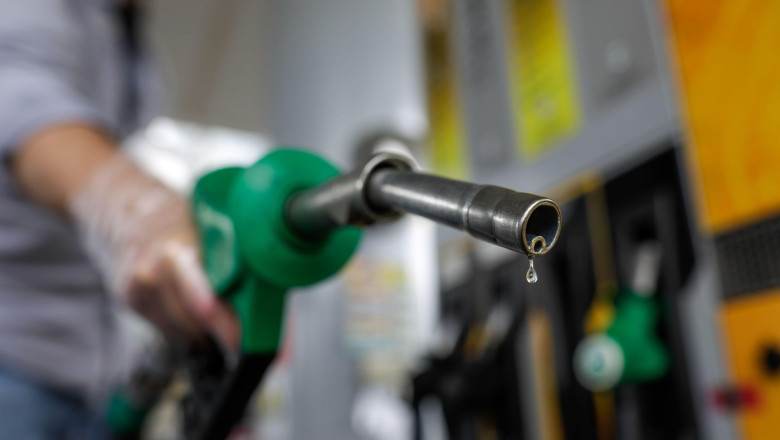
Dumitru Chisăliță, president of the Intelligent Energy Association (AEI), stated that increasing fuel prices to reduce traffic is an imperfect and regressive solution unless accompanied by investments in public transportation, rail infrastructure, and urban planning. Chisăliță published his analysis on Friday, highlighting that price hikes alone do not create viable alternatives for drivers. The core issue remains the lack of accessible and efficient public transport options, making personal vehicles a necessity for many Romanians regardless of fuel costs. Without developing these alternatives, forcing people to leave their cars at home through higher prices is not a sustainable or equitable strategy. The association emphasizes the need for a comprehensive approach that prioritizes infrastructure development and urban mobility planning to address traffic congestion effectively.
The proposed strategy of increasing fuel prices to curb traffic congestion, as analyzed by AEI, presents a classic economic dilemma. While higher prices can theoretically disincentivize driving, their effectiveness is contingent on the availability and quality of alternative transportation. Without substantial public investment in transit, rail, and urban infrastructure, such measures disproportionately burden lower-income individuals and those in areas with limited mobility options. This approach risks exacerbating social inequalities rather than solving systemic urban planning challenges. Future mobility solutions will likely require integrated strategies that balance market mechanisms with public service provision, ensuring accessibility and sustainability for all citizens in the evolving transportation landscape.
AI-generated to prompt reflection — not editorial opinion, not advice, not a statement of fact. How this works.