Romanian energy regulator explains why disconnected homeowners still pay for central heating
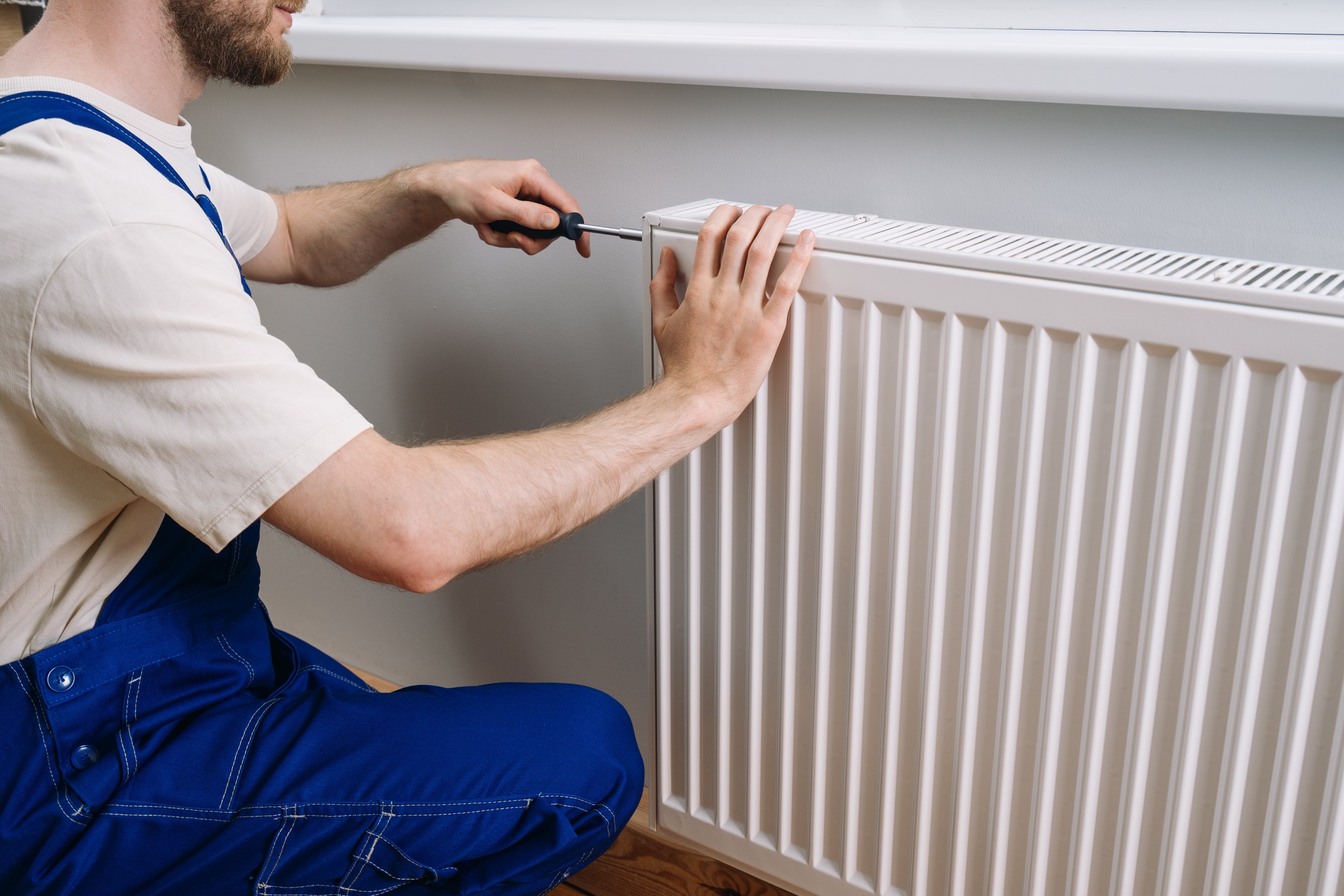
Homeowners in Romania who have disconnected from the centralized heating system are still required to pay a portion of the building's common thermal energy consumption in certain circumstances. This rule, established by ANRE Order No. 7/2024, has sparked discontent among some property owners. They argue that they are being forced to pay for a service they no longer use, even in cases where they claim the distribution pipes have been removed from their apartments. Digi24.ro has sought clarification from the National Energy Regulatory Authority (ANRE) and the Ministry of Energy regarding the applicability of this regulation. The inquiry aims to understand the rationale behind this obligation and whether any amendments are being considered.
The regulatory framework obliges disconnected residents to contribute to common heating costs, likely to prevent free-riding and ensure the financial viability of the centralized system for remaining users. This approach attempts to balance the rights of those who opt out with the operational needs of the service provider and the collective responsibility within a shared building. However, it raises questions about fairness and individual property rights when residents feel they receive no direct benefit. Future policy might explore more nuanced cost-allocation models that better reflect actual usage or building infrastructure changes, potentially involving building-wide votes or tiered contributions based on remaining infrastructure, to mitigate such disputes and adapt to evolving consumer choices in the energy sector.
AI-generated to prompt reflection — not editorial opinion, not advice, not a statement of fact. How this works.