Romanian Government Increases Compensation for Tismana I Mine Land Expropriations
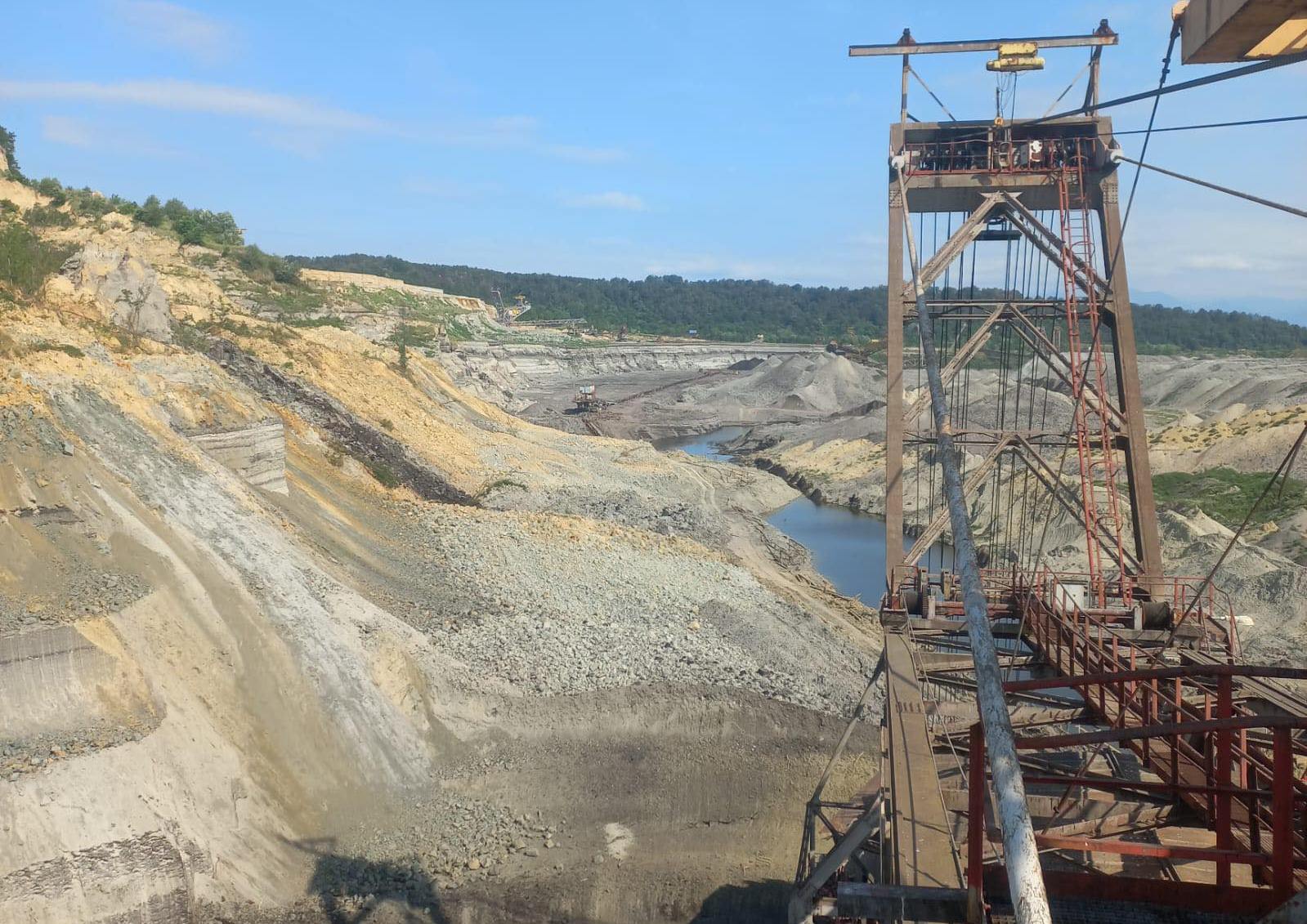
The Romanian government has approved an additional allocation of nearly 18,000 lei for compensation to landowners whose properties were expropriated for the expansion of the Tismana I lignite mine in Gorj county. This decision follows definitive court rulings that determined the initial compensation amounts were undervalued. The judiciary mandated the increase to ensure fair recompense for the affected property owners. The expansion of the Tismana I mine is a key project for energy production in the region. The government's action aims to comply with legal obligations and address the grievances of the landowners. This supplementary payment is intended to rectify the previous underestimation of the land's value. The Tismana I mine is a significant lignite extraction site in Romania. The court's intervention highlights the importance of accurate property valuation in expropriation processes. The government's compliance with the judicial decisions underscores the rule of law in land acquisition matters. This adjustment ensures that the affected individuals receive a more equitable settlement for their expropriated assets.
The Romanian government's decision to increase compensation for expropriated land at the Tismana I mine reflects a response to judicial mandates, indicating a necessary recalibration of state compensation practices. This event underscores the importance of accurate asset valuation in public infrastructure projects, particularly those involving resource extraction. The legal system's role in correcting initial underestimations highlights potential systemic issues in the valuation processes employed by state entities. Moving forward, ensuring robust and transparent valuation methodologies will be crucial for mitigating future disputes and upholding equitable treatment of citizens affected by state development initiatives, especially in the context of energy transition and resource management over the next decade.
AI-generated to prompt reflection — not editorial opinion, not advice, not a statement of fact. How this works.