Romanian Health Minister Proposes New Bonuses Amid Salary Law Cuts
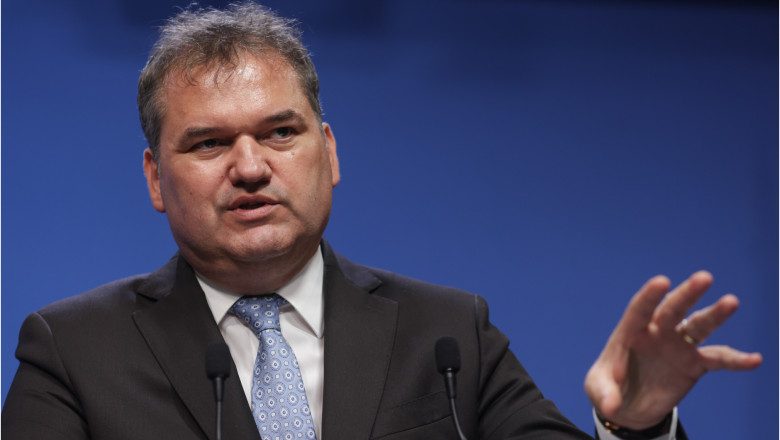
Despite a government-proposed salary law that aims to reduce bonuses, the Romanian Minister of Health, Cseke, has put forward new proposals to modify health sector benefits. These proposals include increasing the bonus for emergency on-call shifts from 20% to 30%. Additionally, the minister suggests implementing a pilot program for performance-based salaries. The plan also involves revising how bonuses for dangerous working conditions are awarded. Furthermore, there is a proposal to reconfigure salary coefficients to address existing imbalances within the healthcare system. These changes have reportedly been agreed upon by trade unions.
This situation highlights a potential conflict between centralized government fiscal policy and sector-specific ministerial initiatives aimed at retaining and motivating healthcare professionals. The proposed increase in bonuses for emergency shifts and the introduction of performance-based pay suggest an attempt to incentivize critical roles and improve service quality. However, the broader context of salary law cuts raises questions about the sustainability and equity of these measures. The government's fiscal consolidation efforts may clash with the need for competitive compensation in the health sector, potentially leading to ongoing negotiations and adjustments. The long-term impact will depend on how these differing objectives are reconciled and whether the performance metrics are designed to be objective and fair.
AI-generated to prompt reflection — not editorial opinion, not advice, not a statement of fact. How this works.