Romanian Healthcare Workers to Strike Over New Salary Law
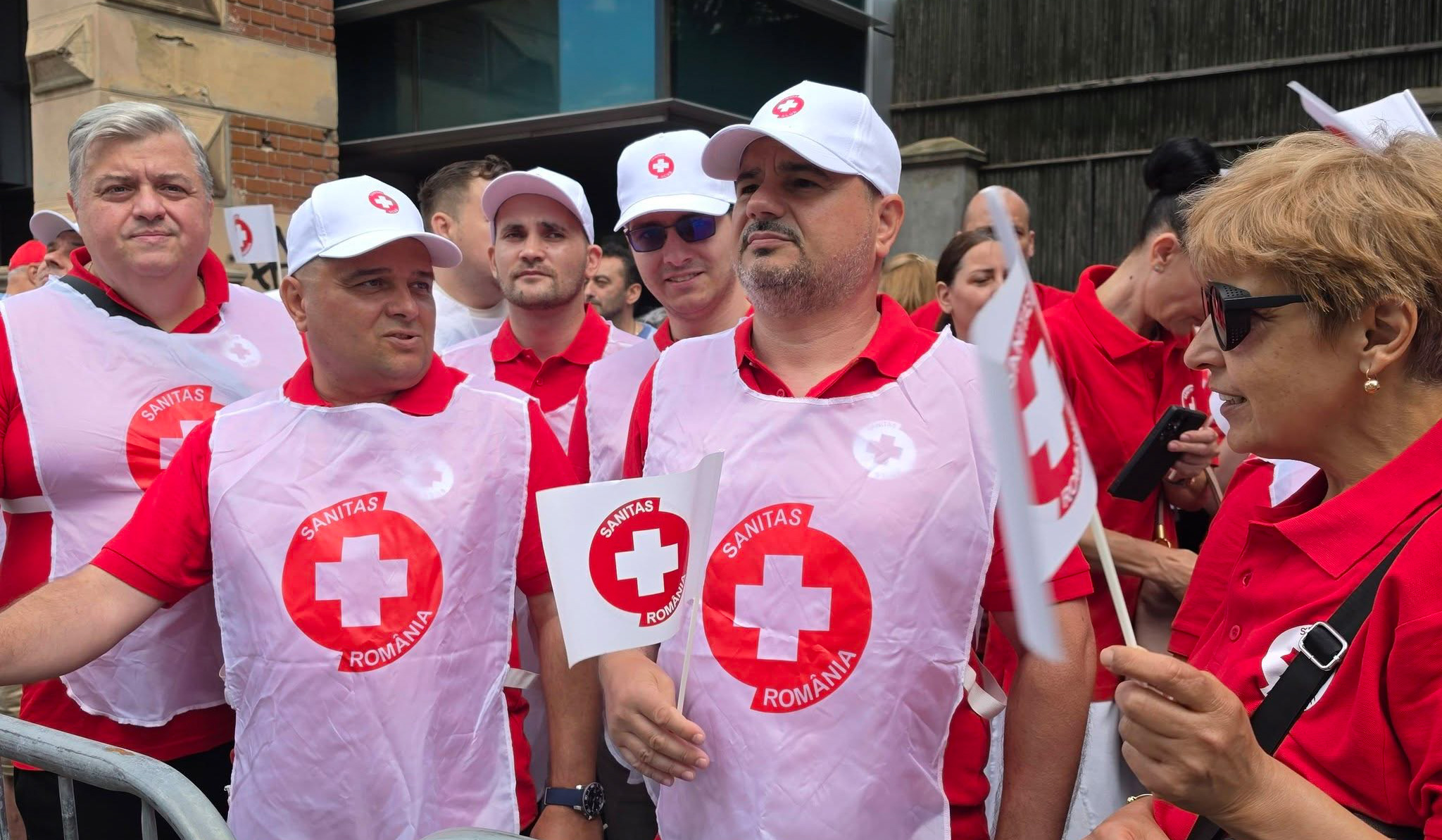
The SANITAS Federation's National Council will convene to finalize preparations for a general strike in the healthcare system, scheduled to commence on Tuesday, July 28th. The union representatives will determine the specific locations and methods of their protest. The primary grievance driving this action is the proposed new salary law. This legislation is the core issue that has led to widespread dissatisfaction among medical personnel. The strike aims to voice strong opposition to the government's planned changes in remuneration for healthcare professionals. The federation is mobilizing its members across the country to participate in the demonstration. The specific impact on patient care during the strike is a significant concern being addressed by the union. Further details regarding the protest's organization and demands are expected following the council's meeting. The union hopes to negotiate better terms before the law is implemented.
The impending strike by Romanian healthcare workers highlights a critical tension between public sector compensation policies and the retention of essential personnel. The proposed salary law appears to be perceived by the SANITAS Federation as detrimental to the financial well-being of medical staff, potentially impacting recruitment and retention in the long term. This situation reflects a broader challenge faced by many nations: balancing fiscal responsibility with the need to adequately reward and incentivize professions vital to public welfare. The strike action, while disruptive to patient services, serves as a mechanism for healthcare workers to exert leverage in policy discussions. Future policy decisions regarding public sector salaries will need to consider not only budgetary constraints but also the direct impact on workforce morale, service quality, and the overall sustainability of the healthcare system in an era of increasing demand.
AI-generated to prompt reflection — not editorial opinion, not advice, not a statement of fact. How this works.