Romanian MEP Responds to German Ambassador's Remarks on National Identity
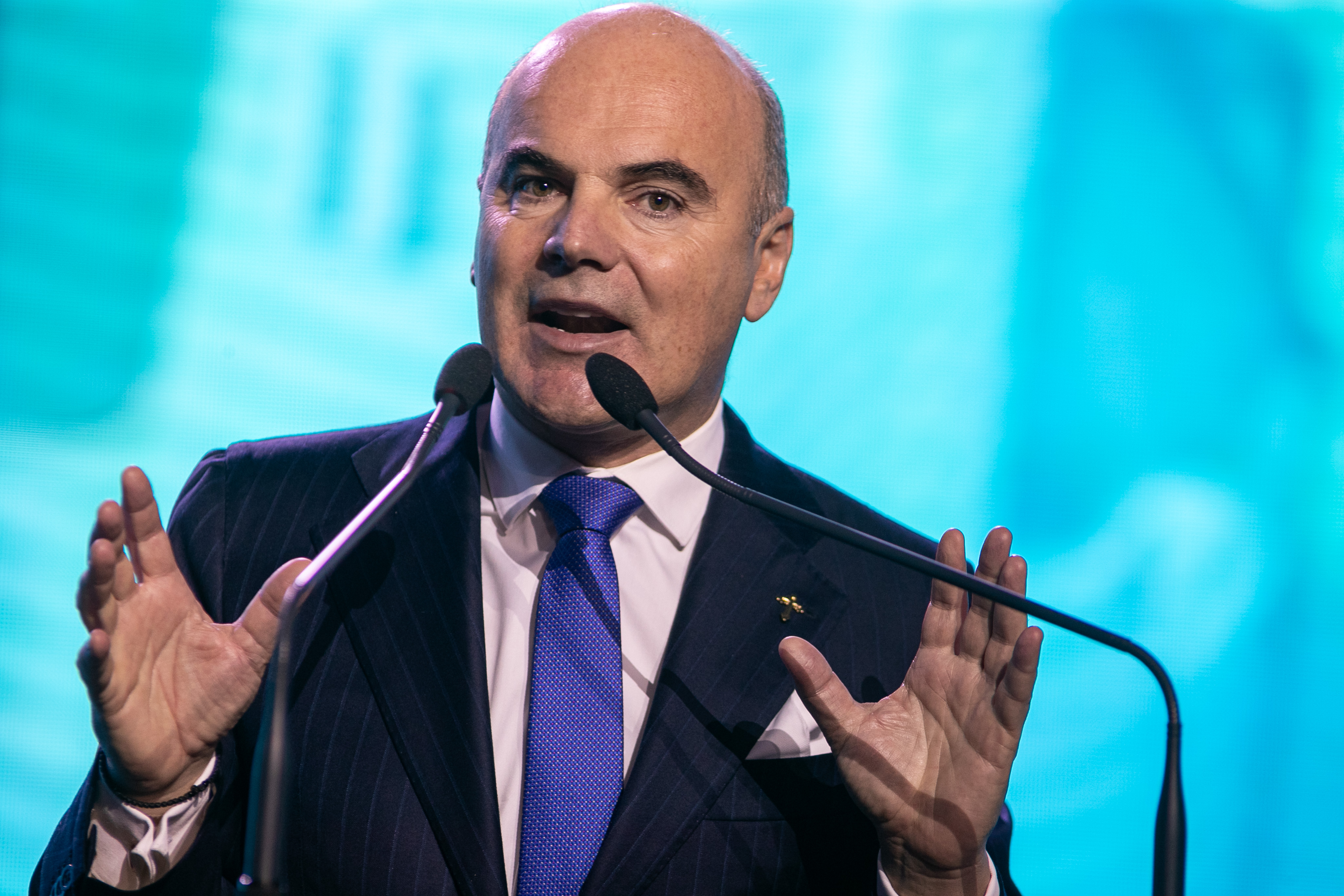
PNL MEP Rareș Bogdan reacted on Sunday via a Facebook post to controversial statements made by the German Ambassador to the Republic of Moldova, Hubert Knirsch. The ambassador's remarks concerned the identity of Romanians and Moldovans. Bogdan, a liberal politician, asserted that the German diplomat's claims constitute an attack on national identity. He emphasized that Romanians on both sides of the Prut River belong to the same people. The controversy stems from the ambassador's comments regarding the distinctness and shared heritage of Romanians and Moldovans. Bogdan's response highlights a sensitive issue of national identity and historical ties between Romania and Moldova. The MEP's statement underscores the importance of recognizing this shared identity within the broader European context. This incident brings to the forefront discussions about national sovereignty and cultural heritage in the region. The ambassador's statements have sparked debate about historical narratives and ethnic affiliations.
This situation highlights the complex interplay between national identity, diplomatic discourse, and historical narratives in Eastern Europe. The German Ambassador's remarks, regardless of intent, have touched upon deeply held sentiments regarding ethnic and national belonging, particularly in a region with a shared history and evolving political landscape. MEP Bogdan's reaction frames the issue as an affront to national identity, underscoring the sensitivity of such topics for political actors and the public. Future diplomatic engagement in the region will likely require careful consideration of these historical and cultural sensitivities to avoid unintended friction. The incident prompts reflection on how international relations are shaped not only by geopolitical interests but also by the potent force of collective identity and historical memory, especially as nations navigate their place in a changing Europe.
AI-generated to prompt reflection — not editorial opinion, not advice, not a statement of fact. How this works.