Romanian Police Dismantle Drug Ring Selling 'On Credit' in Cluj
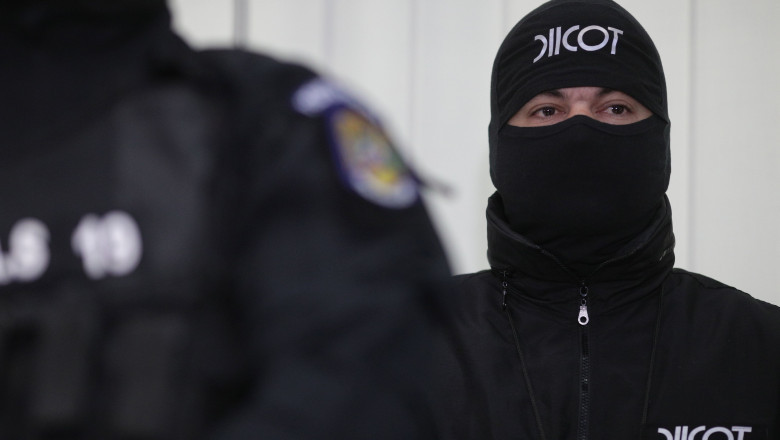
Romanian authorities have detained eight individuals suspected of forming an organized criminal group involved in trafficking high-risk drugs. The Directorate for Investigating Organized Crime and Terrorism (DIICOT) prosecutors accuse the group of selling narcotics in Cluj county, employing a unique payment system that included extending credit to trusted customers. Some transactions were reportedly settled not with money, but with exchanged goods such as perfumes, clothing, and chainsaws. The network was allegedly led by a woman who determined which drug users were reliable enough to receive substances on a deferred payment basis. The group is also accused of conducting unauthorized operations with substances that have psychoactive effects. This operation highlights a novel approach to drug distribution, where trust and bartering played significant roles alongside traditional sales.
This operation by DIICOT reveals a drug trafficking network in Cluj, Romania, that utilized unconventional payment methods, including credit and bartering for goods like perfumes and chainsaws. The structure, led by a woman who vetted customers for creditworthiness, suggests a sophisticated operational model designed to foster customer loyalty and mitigate risk in a volatile market. The inclusion of non-monetary exchanges points to potential economic pressures on consumers or an innovative strategy to circumvent traditional financial tracking. Examining this case through a future-oriented lens, such adaptable distribution models could become more prevalent in illicit markets as technology offers new avenues for both enforcement and evasion, necessitating continuous evolution in law enforcement's investigative techniques and understanding of underground economies.
AI-generated to prompt reflection — not editorial opinion, not advice, not a statement of fact. How this works.