Romaria Festival to Honor Nossa Senhora da Abadia Announces Diverse 2026 Program
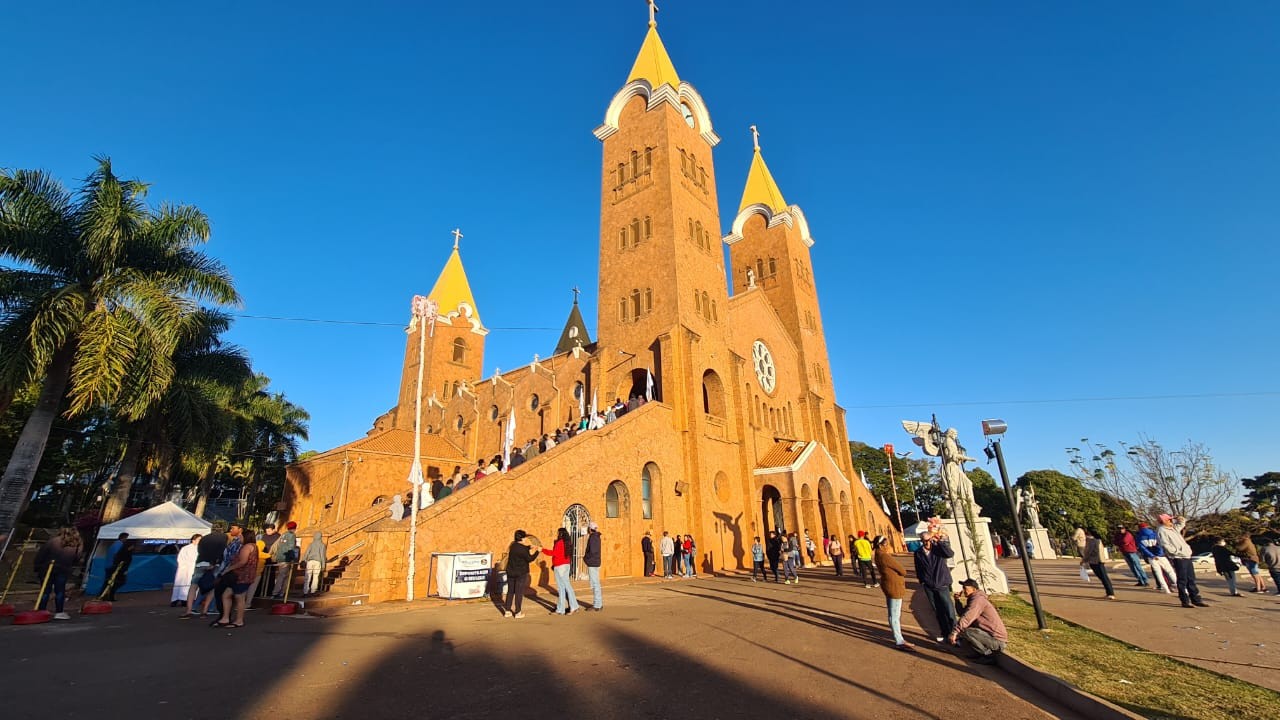
The city of Romaria, located in the Alto Paranaíba region of Minas Gerais, Brazil, has unveiled the comprehensive program for the 2026 Festa de Nossa Senhora da Abadia. This significant religious and cultural event, scheduled from August 1st to August 15th, 2026, will feature traditional masses and processions alongside new attractions such as a running race, a walking event, a cycling tour, and a motorcycle gathering. The festival commemorates the devotion to Nossa Senhora da Abadia, a tradition spanning over a century, drawing thousands of faithful who travel considerable distances by various means, including foot, bicycle, horse, and motorcycle, to reach the Santuário Basílica de Nossa Senhora da Abadia. The celebration culminates on August 15th, the official day honoring Nossa Senhora da Abadia. Beyond religious services, the event includes social activities like food stalls offering typical regional cuisine and auctions. Organizers anticipate that over one million people will visit Romaria by August 16th, highlighting the festival's substantial draw. The detailed schedule includes daily masses, specific religious services led by various parishes and communities, and special events like the "Romaria dos Caminhoneiros" (Truck Drivers' Pilgrimage) and the "Romaria das Vans" (Van Pilgrimage).
The extensive program for the Festa de Nossa Senhora da Abadia in Romaria demonstrates a strategic effort to blend traditional religious observance with modern recreational activities. This approach aims to broaden the appeal of the festival, potentially increasing visitor numbers and economic impact for the region. By incorporating events like running races and motorcycle gatherings, organizers are tapping into diverse community interests, which can foster greater engagement and participation. The multi-day format, with a rich schedule of masses and novenas, caters to devout pilgrims, while the added secular activities provide avenues for broader public involvement. This inclusive strategy, while potentially enhancing the festival's reach, also presents a logistical challenge in managing diverse participant groups and ensuring a cohesive experience. The success of such an integrated event hinges on effective coordination between religious authorities, local government, and community organizers, balancing spiritual significance with public accessibility and safety.
AI-generated to prompt reflection — not editorial opinion, not advice, not a statement of fact. How this works.