Rome's 'Pasta Nonnas' Draw Tourists, But Face Criticism from Food Experts
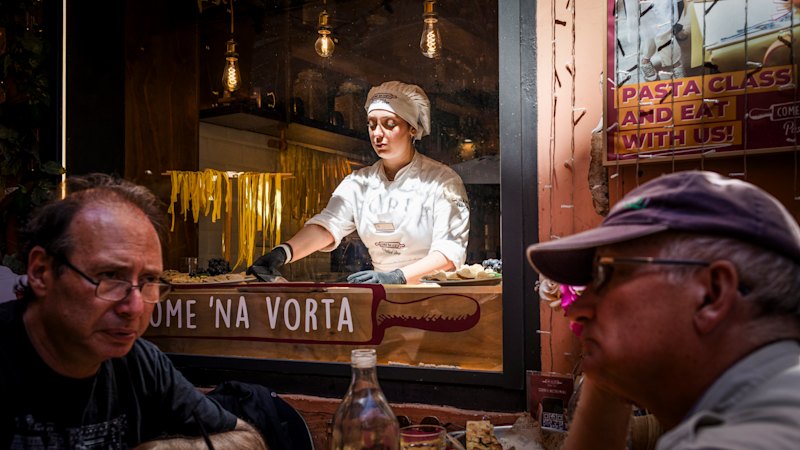
Figures resembling grandmothers, known as "nonnas," are creating fresh pasta in restaurant windows across Rome, transforming into a significant draw for tourists. This culinary display has become a popular attraction, drawing considerable attention from visitors eager to witness the traditional pasta-making process firsthand. However, the trend has not been met with universal approval. Food experts and locals have expressed reservations, with some stating that the practice is "wrong." While the "nonnas" are intended to evoke a sense of tradition and authenticity, their presence in a commercial setting has sparked debate about genuine culinary practices versus staged tourist experiences. The effectiveness of this marketing strategy in genuinely promoting Italian cuisine is being questioned by those within the food industry.
The "pasta nonna" phenomenon in Rome highlights the complex interplay between tourism, cultural representation, and authenticity in the food industry. While these displays may offer a visually engaging experience for tourists and potentially boost restaurant revenue, they also raise questions about the commodification of cultural traditions. Food experts' criticism suggests a concern that staged authenticity can dilute genuine culinary heritage and mislead consumers. The long-term impact on Rome's gastronomic reputation will depend on whether such practices are perceived as respectful tributes or exploitative imitations. This trend prompts consideration of how cities can leverage cultural elements for economic gain without sacrificing the integrity of their heritage, particularly as AI-driven personalization in tourism could further blur the lines between authentic experiences and curated performances.
AI-generated to prompt reflection — not editorial opinion, not advice, not a statement of fact. How this works.