Rome Suburb Gets Climate-Focused Regeneration Boost
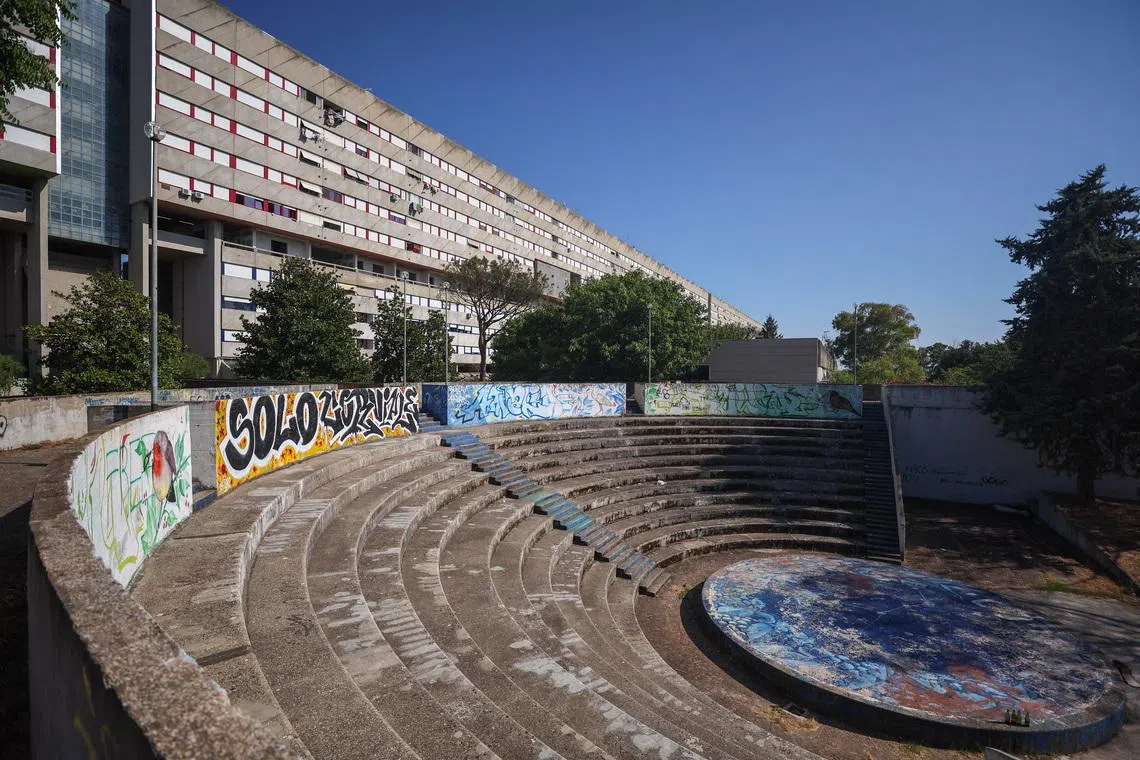
An EU-funded regeneration project is underway in a neglected Rome suburb, aiming to improve the lives of 4,500 residents. The initiative, located on the outskirts of Rome within a 1970s housing development, is designed to address the challenges posed by climate change and promote social inclusion. The project recognizes that rising global temperatures are increasingly impacting urban communities. By integrating climate protection measures with social inclusion strategies, the regeneration effort seeks to create a more resilient and equitable living environment. This approach suggests a forward-thinking model for urban development, particularly in areas historically overlooked. The project's success could offer valuable lessons for other cities facing similar environmental and social pressures.
This EU-funded initiative in Rome exemplifies a growing trend in urban planning that integrates climate resilience with social equity. By focusing on a 1970s housing development, the project targets an area likely facing both environmental vulnerabilities and socioeconomic challenges. The dual approach of climate protection and social inclusion, funded by the EU, signals a systemic effort to address interconnected urban issues. This strategy acknowledges that environmental degradation disproportionately affects marginalized communities and that sustainable development must be inclusive. The long-term implications involve creating replicable models for urban regeneration that prioritize both ecological health and human well-being, potentially influencing future urban policy across Europe.
AI-generated to prompt reflection — not editorial opinion, not advice, not a statement of fact. How this works.