Romy Castel Disputes Castel Group's Sosucam Share Sale, Proposes Alternative
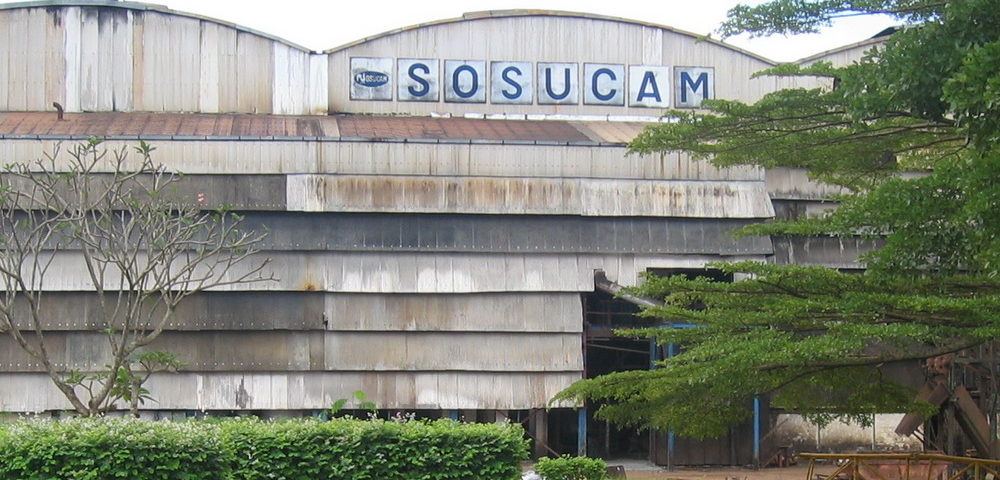
Romy Castel, daughter of the late founder Pierre Castel, has voiced strong disagreement with the planned sale of Somdia's 88.36% stake in Société sucrière du Cameroun (Sosucam). Somdia, an agro-industrial subsidiary of the Castel Group, initiated the sale process with the Cameroonian government's oversight. Castel's management, led by Grégory Clerc, is proceeding with the sale, which was reportedly decided after a meeting with Prime Minister Joseph Dion Ngute. The agreement stipulates that Somdia must complete the 2026/2027 sugar campaign before divesting its shares and must ensure job preservation and social dialogue.
The sale is a consequence of Sosucam accumulating approximately 140 million euros (91.833 billion FCFA) in losses and failing to meet performance objectives. Romy Castel argues that Sosucam has suffered from underinvestment, preventing it from meeting Cameroon's annual sugar demand of 400,000 tons. She criticizes the current management's decision to sell rather than invest, deeming it a "confession of a lack of vision, competence, and courage" and a "renunciation" rather than a strategy. Castel proposes a sustainable industrial solution to improve Sosucam's performance and preserve jobs, offering to present an investment and employment plan to Cameroonian authorities, leveraging the financial strength of other Castel Group subsidiaries like Boisson du Cameroun.
However, Somdia and its parent company, DF Holding, have refuted Romy Castel's arguments. In a public statement, the DF Holding board of directors countered her proposed strategy, emphasizing that board decisions are made collectively and administrators act with independent judgment. The board affirmed their support for Grégory Clerc, praising his "very high level of managerial qualities" and stating that he implements the board's directives. They highlighted that Clerc's leadership is guided by a long-term industrial and entrepreneurial vision focused on investment and performance, a vision that aligns with the board's overall strategy.
The dispute over Sosucam's divestment highlights a fundamental tension between short-term financial remediation and long-term industrial strategy within a family-controlled conglomerate. While DF Holding points to accumulated losses and underperformance as justification for selling the asset, Romy Castel advocates for reinvestment and operational turnaround, suggesting a divergence in strategic priorities and risk appetite. The board's defense of Grégory Clerc and its collective decision-making process underscores a commitment to established governance structures, potentially viewing Castel's proposal as disruptive to that framework. This situation prompts consideration of how large industrial groups balance legacy assets with evolving market demands and the potential for internal dissent when financial pressures mount. The differing perspectives raise questions about the optimal governance model for managing distressed subsidiaries and whether a focus on immediate financial recovery might preclude long-term value creation and market leadership in a sector crucial for national food security.
AI-generated to prompt reflection — not editorial opinion, not advice, not a statement of fact. How this works.