Ronaldo Caiado Officially Declared PSD's Presidential Candidate
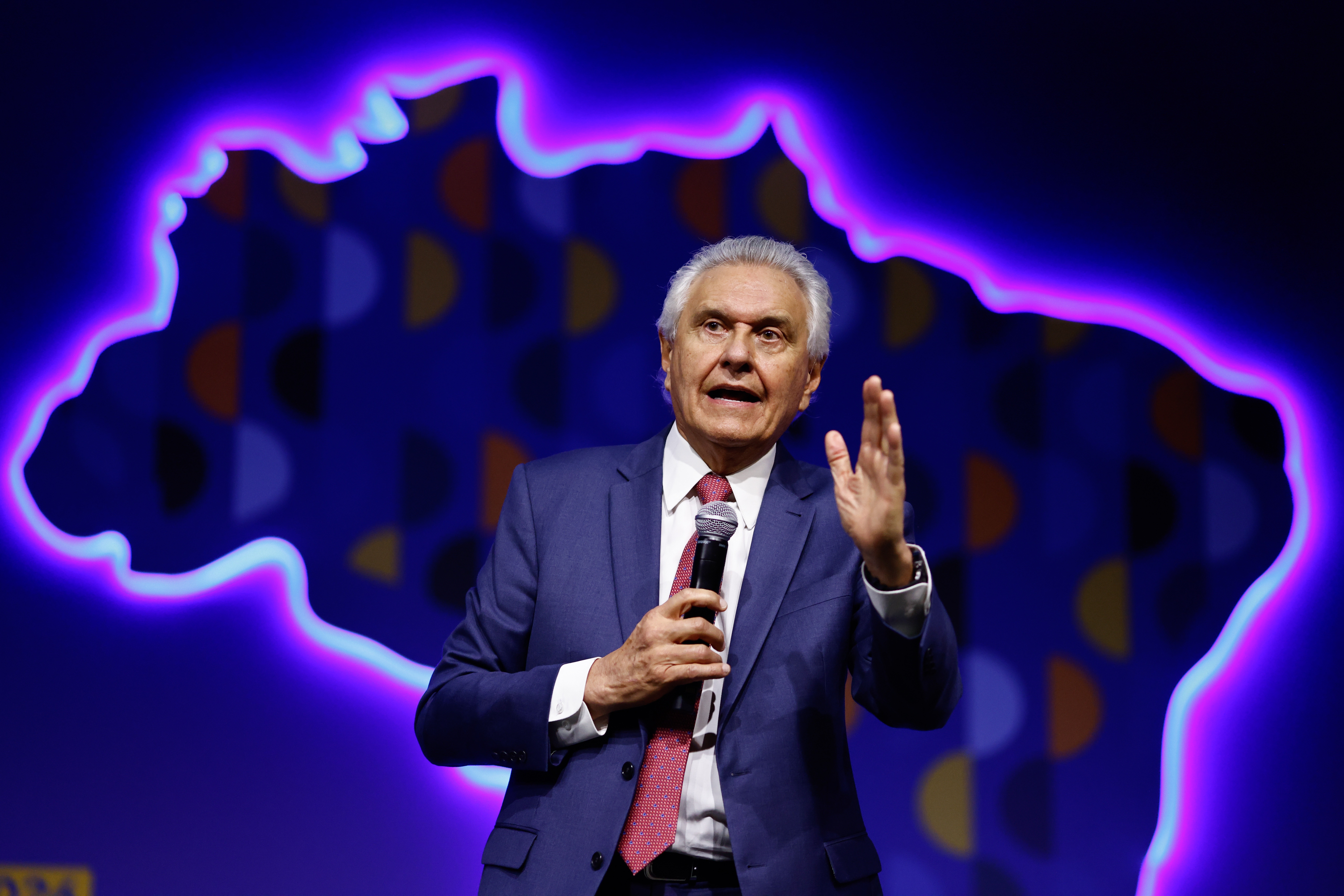
The Social Democratic Party (PSD) has officially nominated former Goiás Governor Ronaldo Caiado as its presidential candidate during a convention held in São Paulo. Gilberto Kassab, the national president of the PSD, was confirmed as the vice-presidential candidate. Caiado expressed his gratitude to Kassab for supporting his candidacy, stating that it was necessary to offer an alternative outside of the current political polarization. This marks Caiado's second presidential bid; he previously ran in 1989, finishing tenth with 0.72% of the vote. His extensive political career includes serving as a federal deputy, senator, and two-term governor of Goiás, from which he resigned in March to pursue the presidency. The 'puro-sangue' ticket, composed entirely of PSD members, faces challenges in securing unified party support across key states, with some state party leaders endorsing other presidential candidates. Caiado's platform includes a broad amnesty for those involved in the January 8th events, classifying criminal factions as terrorist organizations, and implementing integrated policing strategies. Economically, he proposes a 25% cut in government budgets, a commitment to not raise taxes, and annual reductions in public debt. He also plans to propose administrative, political, labor, and tax reforms early in his potential term.
The PSD's endorsement of Ronaldo Caiado signals a strategic move to present a distinct presidential option, potentially aiming to capture a segment of the electorate disillusioned with established political divisions. The party's decision to field a 'puro-sangue' ticket, while emphasizing internal unity, presents a significant challenge in navigating the complex landscape of state-level political alliances. Caiado's proposed amnesty for January 8th participants, while framed as a measure for national pacification, faces constitutional hurdles requiring congressional approval, highlighting the tension between executive aspirations and legislative realities. His policy proposals, particularly regarding fiscal austerity and structural reforms, will be scrutinized for their feasibility and potential impact on economic stability and social equity in the coming decade.
AI-generated to prompt reflection — not editorial opinion, not advice, not a statement of fact. How this works.