Ronaldo Caiado Seeks Presidency Again After 37 Years, Joins New Party
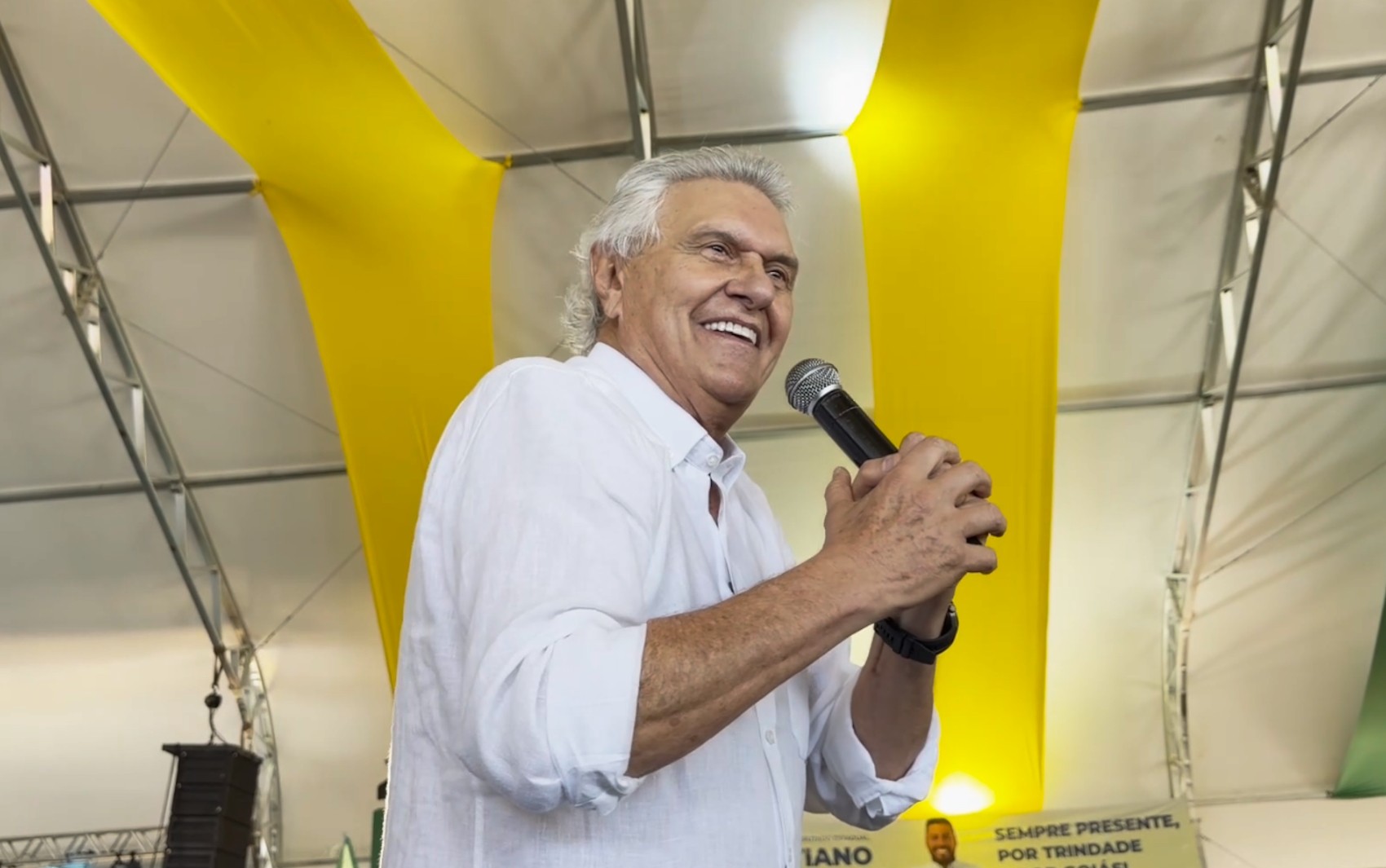
Ronaldo Caiado, a 76-year-old orthopedic doctor, is making his second bid for the Brazilian presidency after a 37-year hiatus. He recently switched from the União Brasil party to the PSD in March 2026 to pursue this opportunity. Caiado's first presidential run was in 1989, a race that also featured Lula and was won by Fernando Collor. In that election, with 22 candidates, Caiado garnered less than 1% of the vote. His current candidacy with the PSD was solidified after Paraná Governor Ratinho Junior withdrew his nomination and after overcoming Eduardo Leite, the Governor of Rio Grande do Sul. Caiado hails from a prominent political family in Goiás, with his lineage tracing back to Spanish migration in 1770 and a significant role in regional politics since the mid-19th century. His political career began in the 1980s as president of the União Democrática Ruralista (UDR), an organization representing rural producers. Following his unsuccessful 1989 presidential campaign, he was elected to the Federal Chamber of Deputies in 1990, later serving as governor of Goiás from 2018 to March 2026, when he resigned to focus on his presidential aspirations. He has consistently opposed the Workers' Party (PT) and supported key economic measures like the spending cap and labor reform during previous administrations. Caiado's platform emphasizes public security, advocating for integrated efforts between state and federal police forces. Economically, he proposes increased exploration and processing of critical minerals, such as rare earths, in partnership with countries like the U.S. and Japan. Socially, he aims to transition welfare programs towards what he calls "emancipation policies." He has also publicly supported broad amnesty for those involved in the 2022 and 2023 political events.
Ronaldo Caiado's presidential bid represents a strategic re-entry into national politics, leveraging his gubernatorial experience and a shift in party affiliation to capture a segment of the conservative and agribusiness electorate. The narrative of a return after 37 years highlights a long-standing political ambition, while his policy proposals on security and economic development aim to address key national concerns. His call for amnesty for participants in recent political events suggests an effort to consolidate support within specific political factions. The success of his campaign will likely depend on his ability to differentiate himself within a crowded political landscape and mobilize voters beyond his traditional base, navigating the complex dynamics of Brazilian party politics and voter sentiment.
AI-generated to prompt reflection — not editorial opinion, not advice, not a statement of fact. How this works.