Ronaldo Nazário on Cristiano Ronaldo and Neymar: Age and Physical Limits
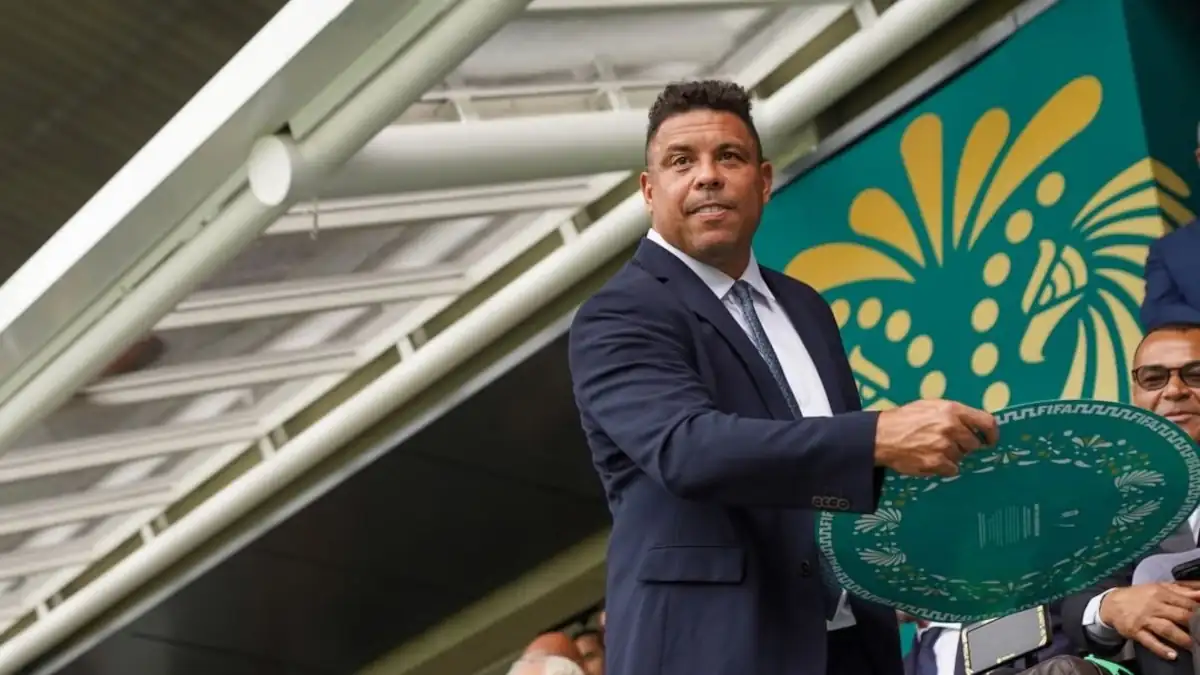
Brazilian football legend Ronaldo Nazário believes that Cristiano Ronaldo, like Neymar Jr., is facing the physical limitations that come with age. Speaking on ESPN Brasil's 'Resenha do 9' program, Ronaldo Nazário commented on Cristiano Ronaldo's recent World Cup performance, which he described as below expectations. He suggested that both star players are encountering the natural decline in physical capacity associated with aging. This assessment comes after a World Cup 2026 campaign where Cristiano Ronaldo's contributions were notably scrutinized. Ronaldo Nazário's perspective highlights the challenges elite athletes face as they advance in their careers and their bodies inevitably change. The commentary implies that while talent remains, the physical demands of top-tier football may become increasingly difficult to meet. The discussion also touches upon Neymar Jr., indicating that he is perceived to be experiencing similar physical constraints.
The commentary from Ronaldo Nazário on Cristiano Ronaldo and Neymar Jr. highlights a common narrative arc for elite athletes approaching the latter stages of their careers. As players age, the physiological demands of professional football, characterized by intense training and frequent high-stakes matches, can lead to diminished physical capacity and increased susceptibility to injury. This shift necessitates strategic adjustments in training, recovery, and playing style to prolong careers. The underlying incentive structures for players and clubs often push for continued high-level performance, creating a tension between the athlete's physical reality and the expectations of the sport. Examining this through a futurist lens, advancements in sports science, personalized medicine, and AI-driven performance analytics may offer new avenues for athletes to manage age-related decline, potentially extending peak performance windows or enabling more graceful transitions into post-playing roles.
AI-generated to prompt reflection — not editorial opinion, not advice, not a statement of fact. How this works.