Ronaldo's World Cup Journey Ends in His Final Match
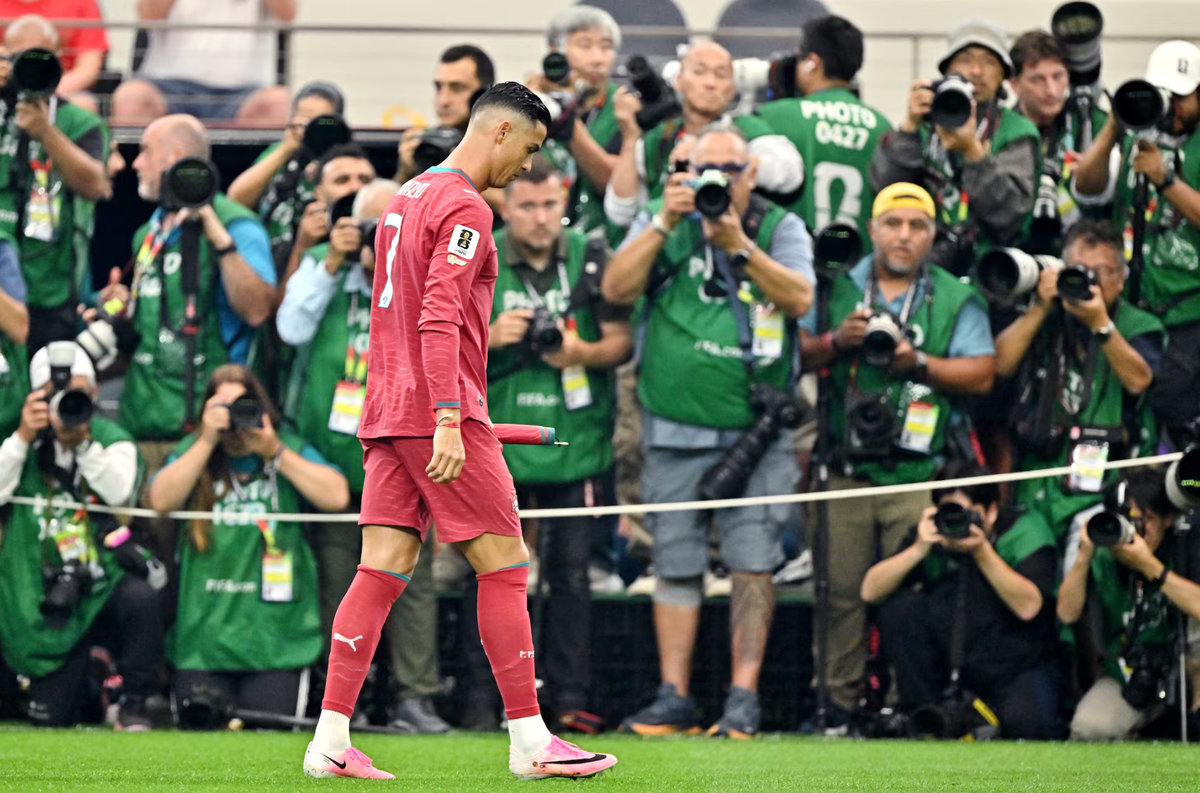
Cristiano Ronaldo, in his forties, concluded his final World Cup match against Spain. He played the entire game and managed two shots on target. Despite his efforts, the match did not end perfectly for the Portuguese star. This marks the end of his World Cup career, a significant chapter for one of football's most iconic players. Ronaldo has been a prominent figure in international football for many years, participating in multiple World Cup tournaments. His presence has consistently drawn global attention, highlighting his enduring impact on the sport. The game against Spain was his last opportunity to compete on the world's biggest football stage. The outcome of this specific match, while not ideal, does not diminish his overall legacy. His contributions to football over his career are undeniable, and his final World Cup appearance signifies a transition in his international journey.
Cristiano Ronaldo's participation in what is likely his final World Cup match represents a significant moment in professional football. As players age, the physical demands of top-tier competition become increasingly challenging, influencing performance metrics such as shot accuracy and game endurance. This transition period for veteran athletes highlights the evolving dynamics of team sports, where generational shifts are inevitable. The focus for clubs and national teams often involves strategic player development and succession planning to maintain competitive levels. Ronaldo's career trajectory underscores the long-term impact of sustained high performance and the challenges of adapting to the sport's continuous evolution, particularly with the rise of younger talent and new tactical approaches.
AI-generated to prompt reflection — not editorial opinion, not advice, not a statement of fact. How this works.