Rondônia Legislature Fires Secretary-General Arrested in 'Rachadinha' Probe
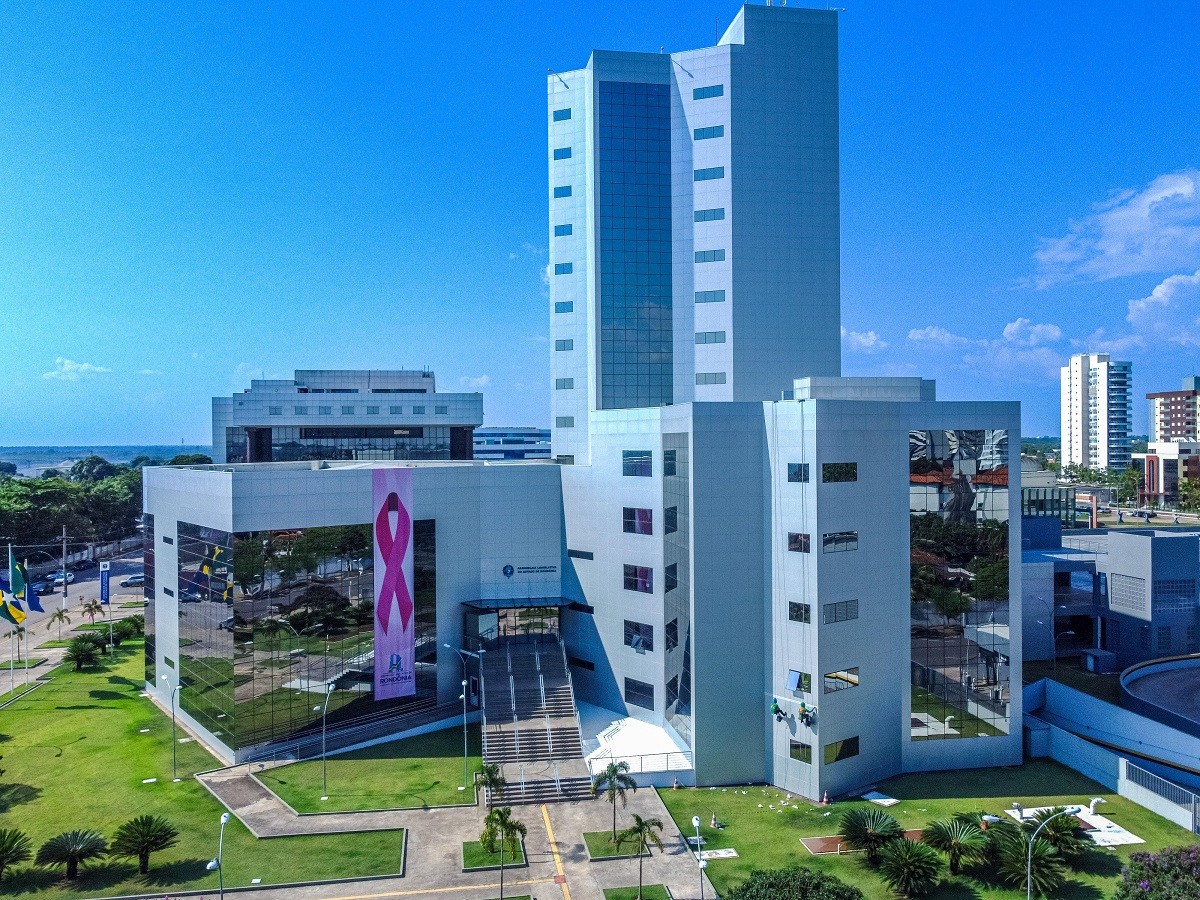
The Legislative Assembly of Rondônia (Alero) has officially dismissed its Secretary-General, Rogério Gago da Silva, who was recently arrested as part of the Federal Police's "Operation Reduto." This operation is investigating a scheme involving alleged fraud, diversion of public funds, and the "rachadinha" practice within the state legislature. The dismissal was published in the Official Gazette on Wednesday, the 15th, and signed by the Assembly's President, State Deputy Alex Redano. Several other public servants were also removed from their positions, though the Assembly has not explicitly linked these administrative changes to the ongoing federal investigation. The "Operation Reduto" has led to the removal of eleven Alero employees and the arrest of two individuals. Judicial orders have also frozen up to R$9 million in assets belonging to those under investigation. The probe, which began in 2024 after suspicious financial activity was flagged by the Council for Financial Activities Control (Coaf), focuses on a Manaus-based company with public contracts in Rondônia. Investigators suspect a network of individuals defrauded public tenders in Ariquemes and diverted funds through Alero's commissioned staff, a practice where employees return portions of their salaries to political figures. The Federal Police executed 19 search and seizure warrants across Ariquemes, Porto Velho, and Manaus, seizing documents, digital media, and cash. The investigation aims to gather further evidence on financial movements exceeding R$9 million, deemed inconsistent with the declared economic capacity of the suspects. Both the Ariquemes City Hall and Alero have stated their cooperation with the authorities.
The dismissal of a high-ranking official following a federal investigation into financial impropriety highlights systemic governance challenges within public institutions. The "rachadinha" scheme, as described, points to potential incentive structures that may encourage illicit fund diversion, exploiting the gap between official salaries and the cost of political operations. The scale of the alleged fraud, involving millions in frozen assets and multiple jurisdictions, suggests a need for enhanced oversight mechanisms and inter-agency collaboration. Moving forward, a focus on transparent procurement processes, robust internal audits, and clear accountability frameworks will be crucial to rebuilding public trust and preventing future occurrences. The investigation's reliance on financial intelligence from Coaf underscores the growing importance of data analytics in combating corruption.
AI-generated to prompt reflection — not editorial opinion, not advice, not a statement of fact. How this works.