Rondônia's Civil Police Faces Nation's Largest Staffing Shortage, Study Reveals
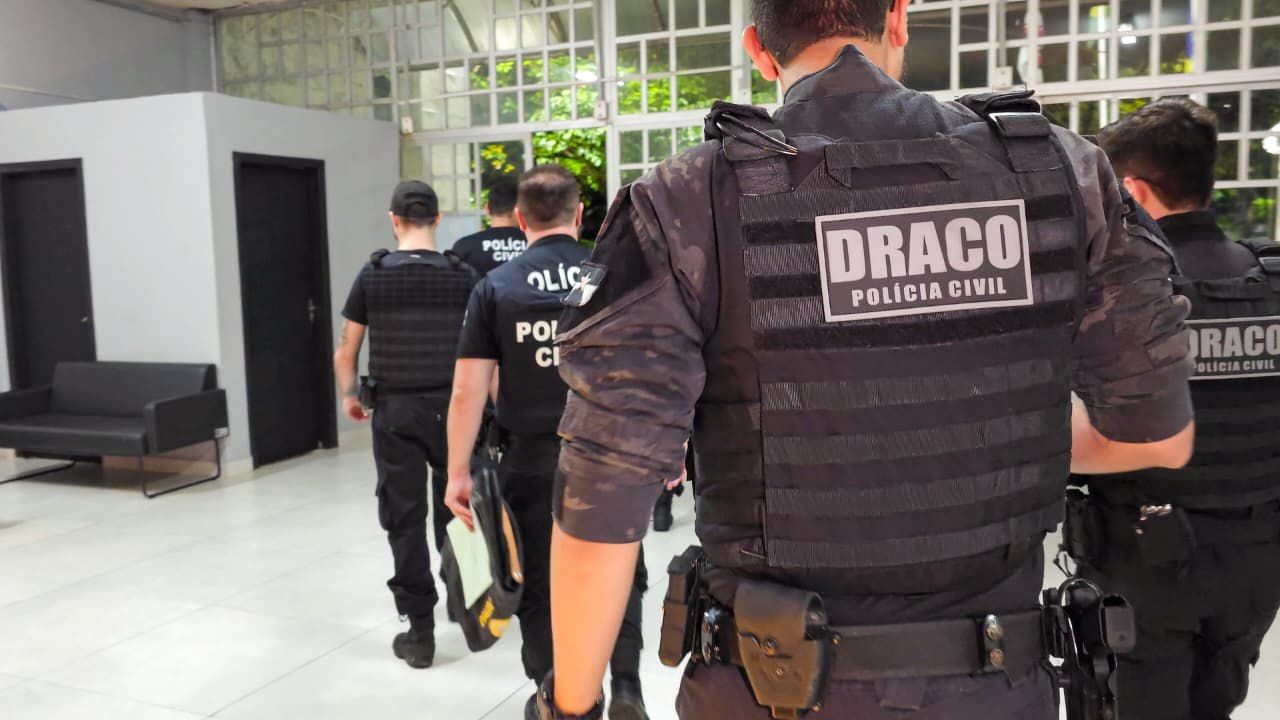
Rondônia's Civil Police is operating with only 28.1% of its legally mandated staffing levels, resulting in the most significant police deficit in Brazil. A study by the Brazilian Public Security Forum (FBSP) indicates that the state should have 5,300 civil police officers but currently only has 1,500, creating a shortfall exceeding 70%. This scarcity means there is one civil police officer for every 158 square kilometers within the state. The staffing shortage is not confined to the Civil Police; the Penal Police are also understaffed at 35.8% of their required strength, while the Military Police operate at 57.4%, still needing nearly half their complement. The FBSP report, which compiles data from state public security secretariats, suggests that this severe lack of personnel could negatively impact crime-solving rates. Civil police officers are responsible for investigating crimes, collecting evidence, interrogating suspects, and preparing case files for the judiciary. Despite the low numbers, Rondônia's Civil Police exhibits strong gender diversity, with women making up 32.2% of the force, one of the highest proportions nationally. As of March 2025, average gross salaries for the Civil Police in Rondônia ranged from R$11,927.59 for clerks to R$31,303.30 for delegates.
The study highlights a critical systemic issue of understaffing within Brazil's public security apparatus, particularly in Rondônia's Civil Police. This deficit, exceeding 70%, suggests a potential misalignment between legal mandates for law enforcement capacity and actual resource allocation. Such disparities can strain investigative capabilities, potentially impacting crime resolution rates and public trust. While the report notes positive gender diversity within the Rondônia force, the overarching numerical shortage presents a significant governance challenge. Future policy considerations might involve exploring innovative recruitment strategies, inter-agency resource sharing, or re-evaluating the legal frameworks that define optimal police staffing levels in relation to territorial size and crime rates. Addressing these structural deficiencies is crucial for ensuring effective and equitable public safety across the state.
AI-generated to prompt reflection — not editorial opinion, not advice, not a statement of fact. How this works.
