Rondônia State Audit Court Probes Public Funds Used for Church Parking Lot Paving
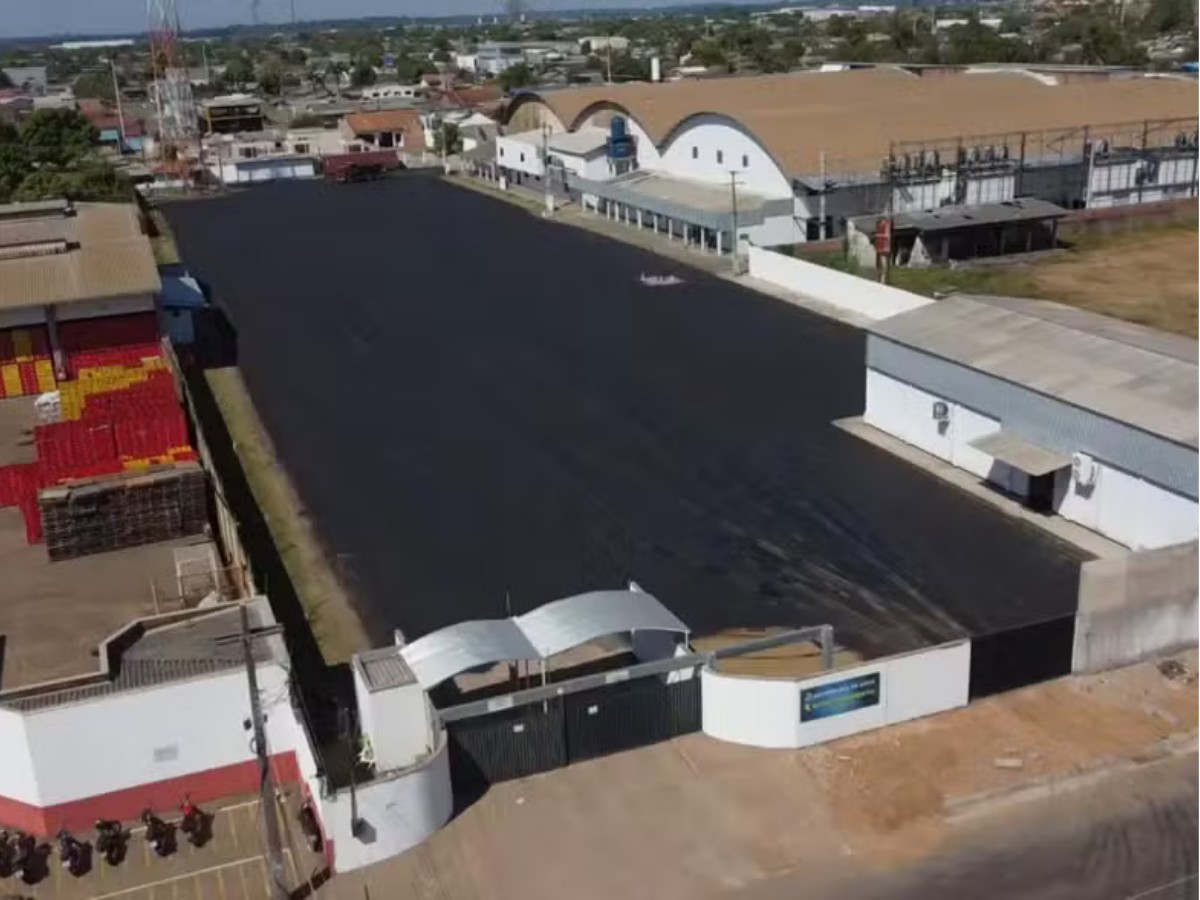
The State Audit Court of Rondônia (TCE-RO) is investigating the alleged misuse of public funds for the asphalt paving of the parking lot at the Assembleia de Deus Evangelical Church in Porto Velho. The work, conducted in July 2025, reportedly utilized resources, including personnel, machinery, and materials, from the Porto Velho City Hall and the Rondônia state government. The estimated financial loss to public coffers exceeds R$ 259,000. The Sociedade Evangélica Beneficente (SEB), an entity associated with the church, has already repaid R$ 3,000 following an agreement with the Public Prosecutor's Office, with an outstanding R$ 6,300 yet to be reimbursed. The Municipal Secretariat of Infrastructure (Seinfra) is implicated in the largest portion of the financial discrepancy, amounting to approximately R$ 250,200, for the irregular use of the city's asphalt, trucks, and compactors. The State Department of Roads and Transport (DER-RO) is also under scrutiny for lending machinery and staff, incurring a cost of R$ 9,300. The paving occurred at the church's Grand Temple in the Tiradentes neighborhood, which can accommodate around 7,000 people. TCE-RO auditors gathered evidence, including satellite imagery, site inspections, and dated photographs, to support their suspicions, refuting the City Hall's initial claim that only a water truck was dispatched to mitigate dust. The court has given involved parties 15 days to present their defense before a final decision on irregularities and potential reimbursements is made. Attempts to reach the Porto Velho City Hall, the Rondônia Government, and the Assembleia de Deus Church for comment were ongoing.
This investigation into the use of public resources for church infrastructure highlights a potential conflict between civic duties and religious affiliations within governmental bodies. The core issue revolves around the principle of equitable resource allocation and the prohibition of using state assets for private or religious benefit, especially when significant public funds are involved. Scrutiny of such practices is essential to maintain public trust and ensure fiscal responsibility. The utilization of state machinery and personnel for non-public works raises questions about governance oversight and accountability mechanisms within municipal and state departments. Moving forward, clearer guidelines and stricter enforcement protocols for resource deployment could prevent similar situations, ensuring public assets serve the broader community's needs and are not diverted for specific organizational advantages. This event underscores the ongoing challenge of balancing diverse societal interests with the imperative of transparent and efficient public administration in the digital age.
AI-generated to prompt reflection — not editorial opinion, not advice, not a statement of fact. How this works.